
Industries
Two-way radio built
around your industry
A bus operator, a forestry crew and a quarry are all solving the same two problems: keeping people safe, and getting more out of the fleet they already have. Communication and connectivity move both at once. What changes between sectors is the coverage, the environment and the paperwork — and that is where a supplier either knows your industry or is guessing at it.
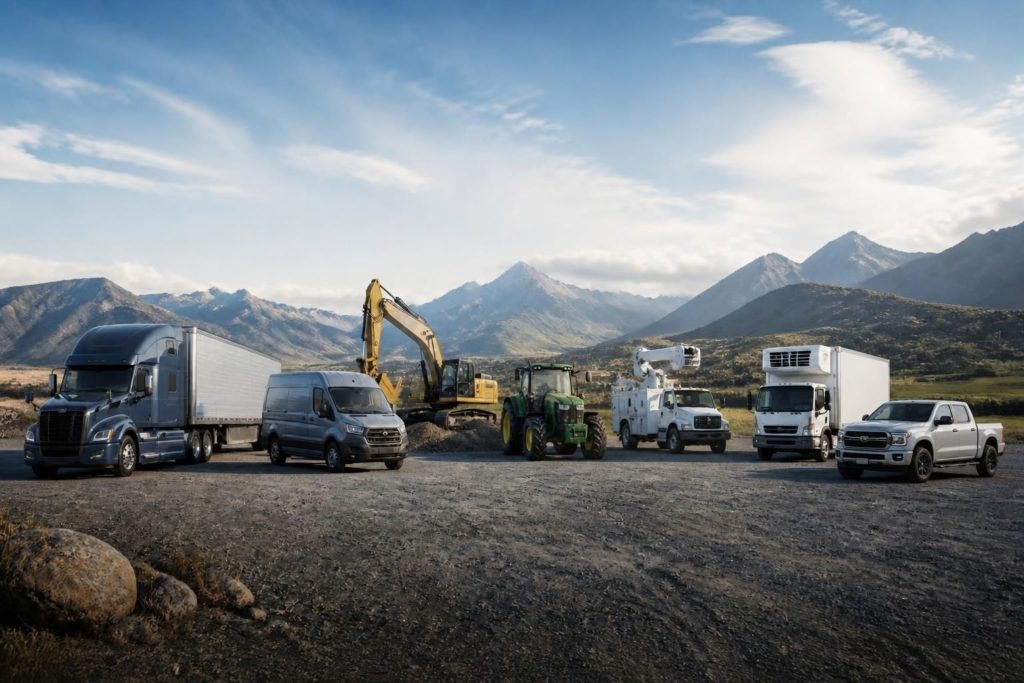
Fifteen sectors, one set of problems — radio, push-to-talk, tracking and connectivity, fitted and supported by our own people.
& Auckland Two bases, our own engineers and technicians on site nationwide. Nothing is subcontracted out.
What it is for
Safer crews, and a fleet that does more
Every system we design has to be justified on one of these two, and most are justified on both. If a proposal does not clearly improve at least one of them, it is the wrong proposal and we will say so.
Health and safety
Communication is usually the control that makes the rest of a safety plan work. A procedure that depends on somebody being reachable is only ever as good as the coverage where that person is standing.
- Lone and remote workers stay reachable in places where a mobile phone has no signal at all.
- One press reaches the whole crew rather than one person at a time, which is what matters when something is moving.
- Emergency and duress calls get through to a control room, with the device's location attached to them.
- Recorded voice and GPS history mean an incident review works from evidence instead of recollection.
- Hearing protection and communication in one device, so neither of them ends up taken off.
Operational efficiency
The same system that makes a site safer is usually the one that takes minutes out of every job. That is why most of our customers end up able to justify it twice over.
- Decisions made in seconds instead of a phone call that rings out and gets returned twenty minutes later.
- The right vehicle sent, because the dispatcher can see where all of them actually are.
- Fewer SIMs, plans and devices per vehicle, which shows up on the bill as well as on the dashboard.
- Job information moving from the cab during the run rather than piling up until the end of it.
- Running times, RUC and utilisation coming off the same platform as the tracking.
How it starts
We ask about the work before we talk about radios
There is no sector where the right answer can be read off a price list.
Most of the bad radio systems we get called out to were not badly built. They were built for a different question than the business needed answered — a repeater where the crews needed nationwide coverage, or handhelds specified for an office that ended up living in a loader.
Two waste operators the same size can need completely different systems depending on whether their trucks run a tight urban grid or a rural collection route. Two security firms differ on whether the guards are static or mobile. The equipment follows from that, not the other way around.
So the first step is a conversation about routes, sites, crew size and what is already fitted. From there we scope it against the two tests above — whether it makes your people safer and whether it makes the fleet more productive — and where it makes sense we put real equipment in your hands before you commit to anything.
- Scope the work. Where the people and vehicles go, what they are standing next to when they press the button, and what is already installed.
- Design the coverage. Site surveys and repeater modelling for licensed systems; carrier coverage checks for PoC.
- Handle the licensing. We apply, coordinate frequencies, hold the licence and manage renewals. National simplex is immediate; engineered repeater channels take one to four weeks.
- Trial it. A large demo fleet of handhelds means most customers can put PoC in front of their crews before signing anything.
- Install and test. Our own technicians, on site, with the coverage verified after the fit rather than assumed.
- Keep it running. Maintenance, live network monitoring and in-house repairs with quick turnarounds.
Across every sector
What we bring, whatever you do
Six capabilities, one supplier, one install. Most of our customers start with one of these and add the others as the fleet grows.
Push-to-talk over cellular
Instant voice with nationwide coverage and no repeaters to build. We put the first PoC network in New Zealand in the ground in 2018 and have run it ever since.
Explore PoC →Two-way radio and DMR
Licensed radio where it is still the right answer: on-site coverage, no dependence on a carrier, and hardware that outlives the vehicle it is fitted to.
Explore LMR radio →GPS and fleet tracking
Our own Waka Data platform, tiered from simple location through to the full feature set — and vehicle road user charges through our RUC Monkey partnership.
Explore GPS →Vehicle Wi-Fi
One cellular connection and an external antenna serving every device in the cab, instead of three or four SIMs and a driver's hotspot.
Explore vehicle Wi-Fi →Installation and service
Design, licensing, vehicle installation, maintenance, live network monitoring and in-house repairs. Our own staff, on site, nationwide.
Explore radio service →Short-term hire
Over 300 radios in the rental fleet for shutdowns, events, seasonal peaks and the weeks before a permanent system is signed off. Shipped nationwide.
Explore rentals →Sectors
Two-way radio, PoC and tracking, by industry
Fifteen sectors where we have fleets, hours and a clear view of what actually works. Each one lists the safety gain and the efficiency gain we see most often. If yours is not here it does not mean we cannot help — it means we will ask more questions first.
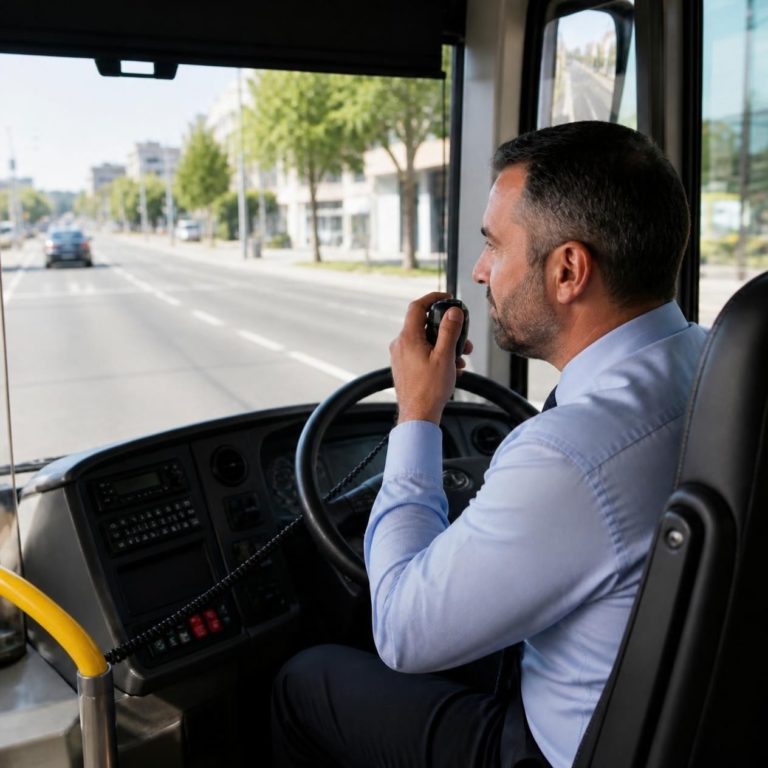
Bus & Coach
Depot to driver across a whole region, on school runs, charter work, tours and scheduled services. Most operators we work with have moved to PoC, because a coach on a tour route is well outside any repeater but rarely outside cellular coverage. Add GPS for running times, RUC on the diesel fleet, and a dispatcher who can see every vehicle on one screen.
- Safety
- A driver can raise the depot instantly, anywhere on the route.
- Efficiency
- Running times and vehicle location on one screen.
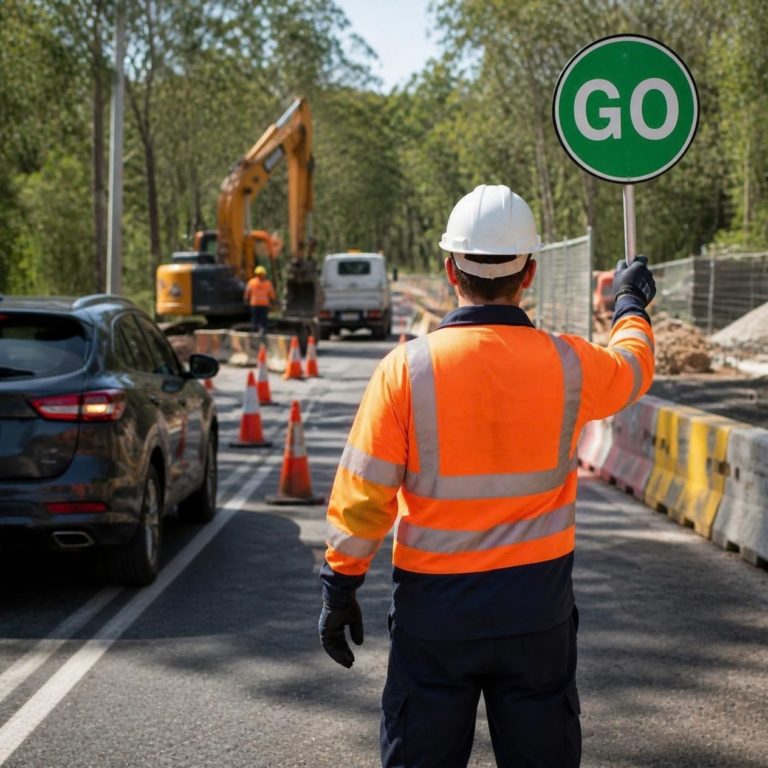
Traffic Management
Crews strung out along a worksite, jobs that appear at short notice, and equipment that gets dropped, rained on and left in a ute overnight. On-site talk is usually simplex UHF with no licensing delay; between sites and back to the office it is PoC. When a shutdown or an event needs forty radios for a fortnight, they come out of the rental fleet rather than the capital budget.
- Safety
- Every person on the site warned at once, not one at a time.
- Efficiency
- Short-notice jobs allocated without working through a phone list.
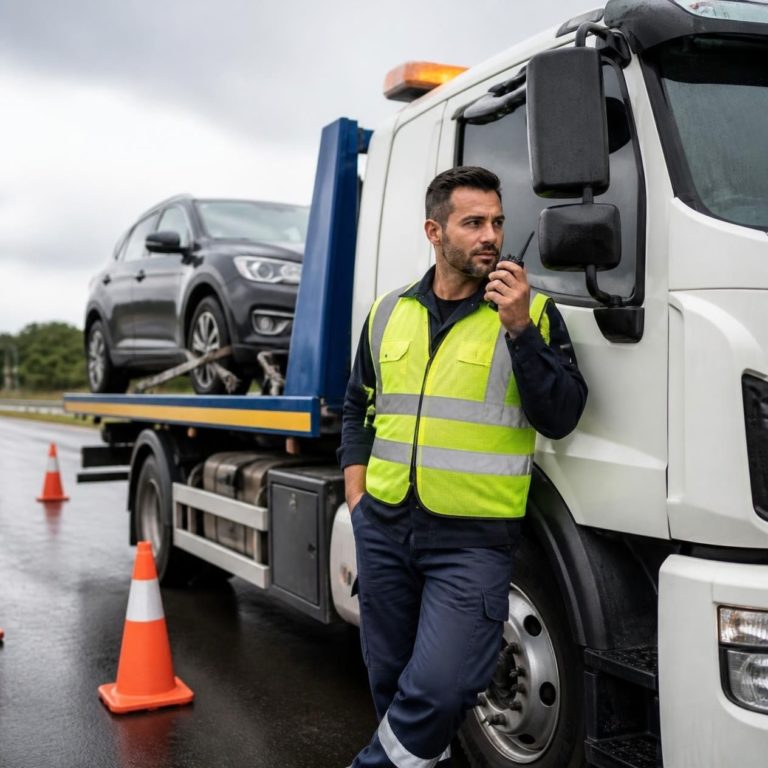
Towing & Recovery
Single-truck operators through to yards running a dozen. The problem is allocation: who is closest, who is clear, and who is already committed to a motorway job. PoC gives push-to-talk anywhere in the country without a repeater to build or a licence to wait for, GPS tells the yard where each truck actually is, and an in-cab install keeps the driver hands-free and legal.
- Safety
- Nobody working a live roadside is ever out of contact.
- Efficiency
- The nearest clear truck gets the job, not the first one to answer.
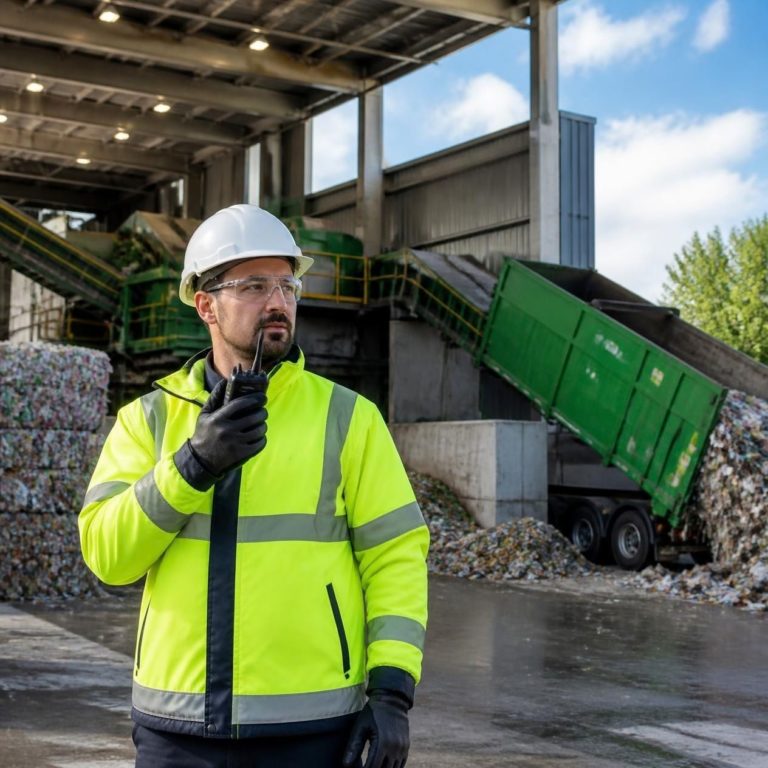
Waste & Recycling
Kerbside runs, transfer stations, MRFs and roll-on/roll-off work. It is loud, dusty and hard on equipment, so hearing protection with a built-in speaker and an external PTT button does more for a crew than a better radio would. PoC covers the whole collection area; GPS verifies service and handles road user charges on the heavy fleet.
- Safety
- Hearing protection and a radio in one, worn on every run.
- Efficiency
- Service verified from the data, so missed-pickup disputes end quickly.
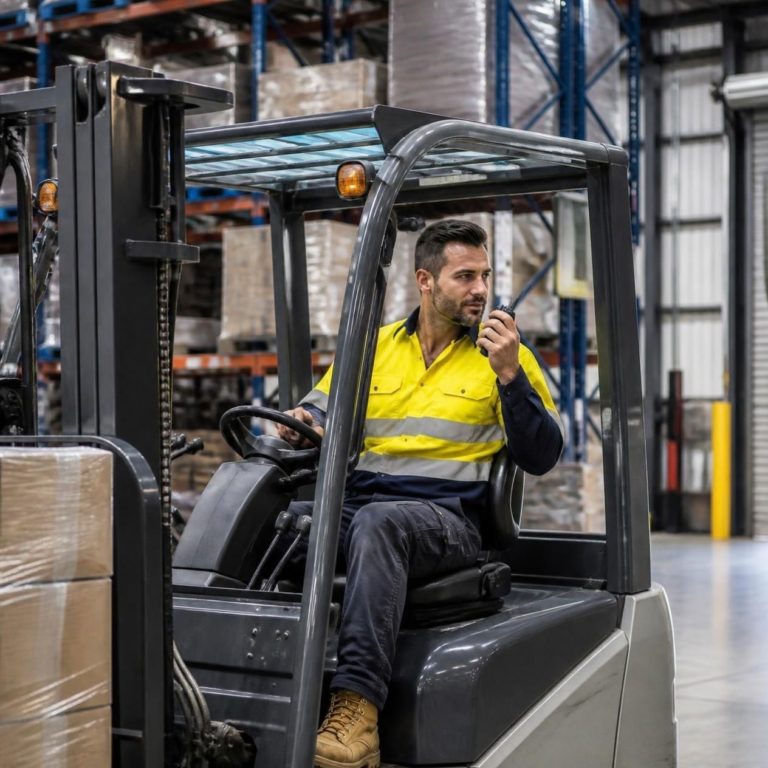
Warehousing & Distribution
Indoor coverage is its own discipline. Steel racking, concrete tilt panels and a roof full of plant will defeat a system that works perfectly in the yard outside. We design for the building rather than the floor area — simplex where that is genuinely enough, a single repeater where it is not — and specify radios that survive being knocked off a forklift.
- Safety
- Forklift and pedestrian movements called before they happen.
- Efficiency
- Pick, load and despatch coordinated without walking the floor.
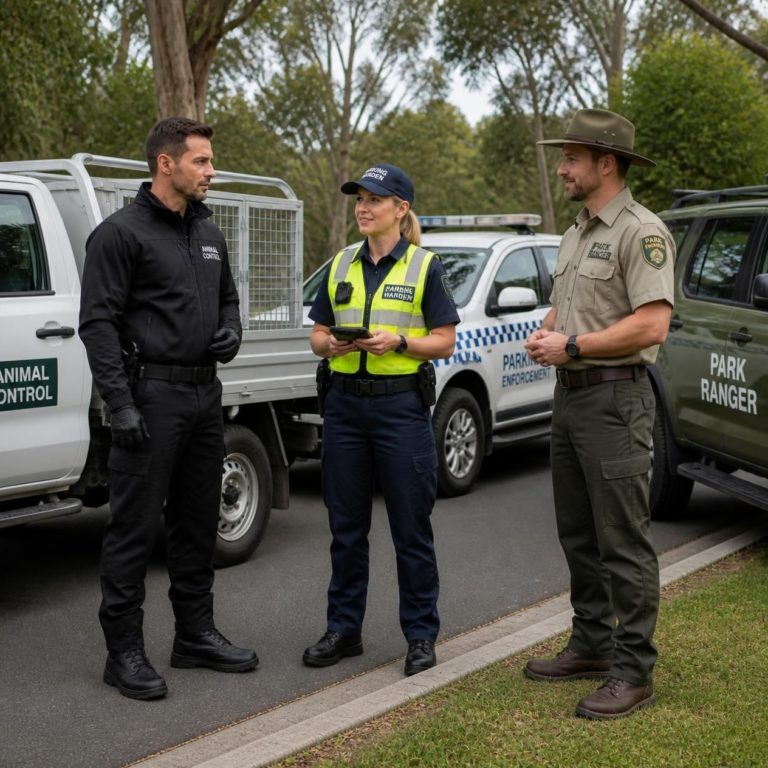
Local Government
Parks, roading, water, transfer stations and emergency management, usually on different equipment bought at different times with nobody quite holding the licences. We consolidate that into one system, hold and renew the licence register on your behalf, and build for the day the power and the cellular network are both down.
- Safety
- One network that still works when the power and the carrier are out.
- Efficiency
- Four departments on one system instead of four systems.
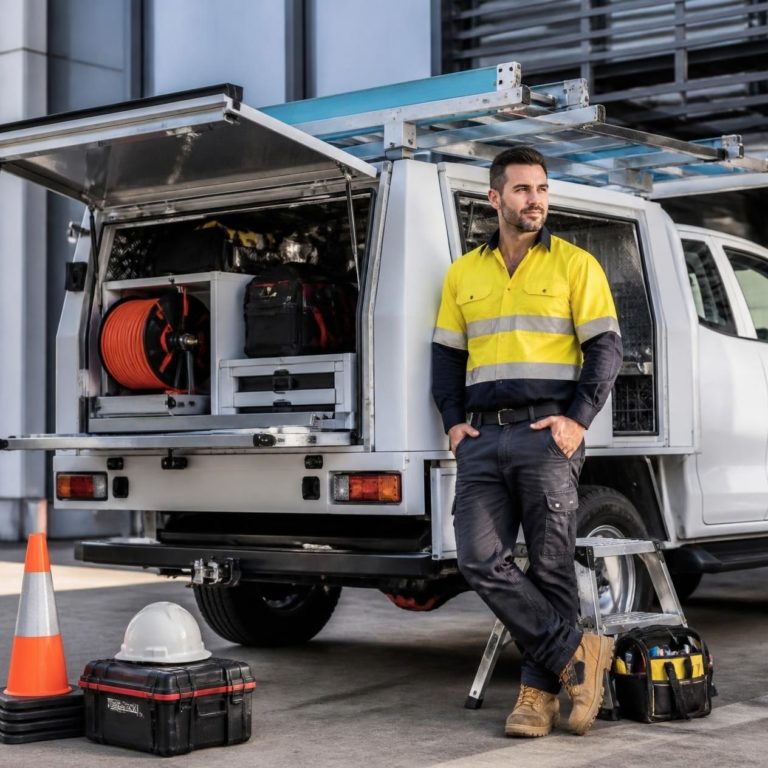
Service Fleets
Plumbers, electricians, HVAC, facilities and inspection fleets, where the vehicle is the office. The win here is fitting everything in one visit — radio, GPS, vehicle Wi-Fi and the antennas for all three — rather than booking the van off the road three times for three different contractors.
- Safety
- Lone technicians reachable on every site, not just where the phone works.
- Efficiency
- Jobs dispatched, updated and closed from the vehicle.
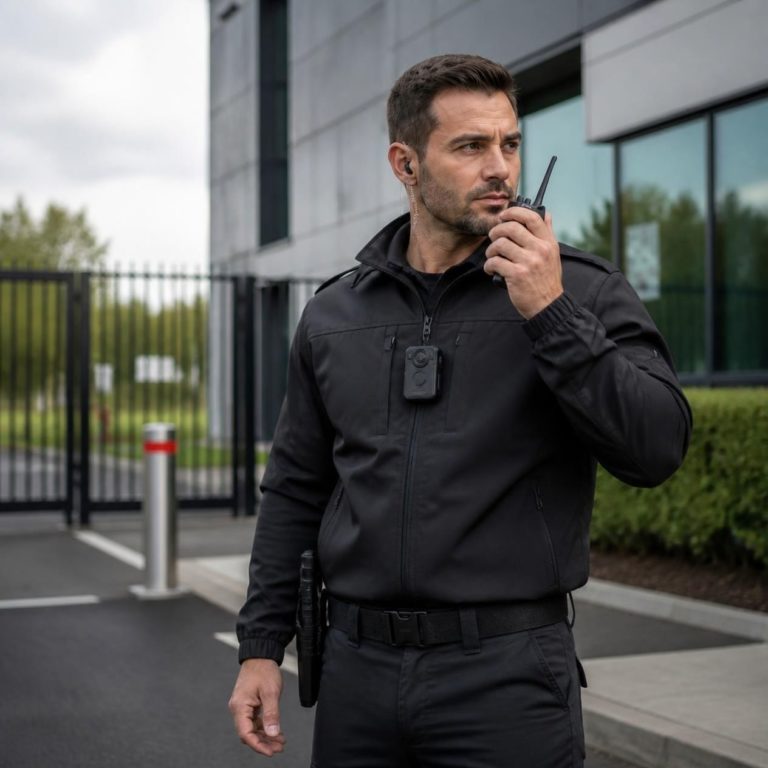
Security
Static guards, mobile patrols, control rooms and lone workers. PoC suits this better than anything else we sell: the device carries its own GPS, an emergency button that reaches the control room wherever the guard is standing, and recorded voice you can go back to when an incident needs evidence rather than recollection.
- Safety
- A duress button that reaches the control room from anywhere.
- Efficiency
- Patrol activity and locations recorded without anyone writing them down.
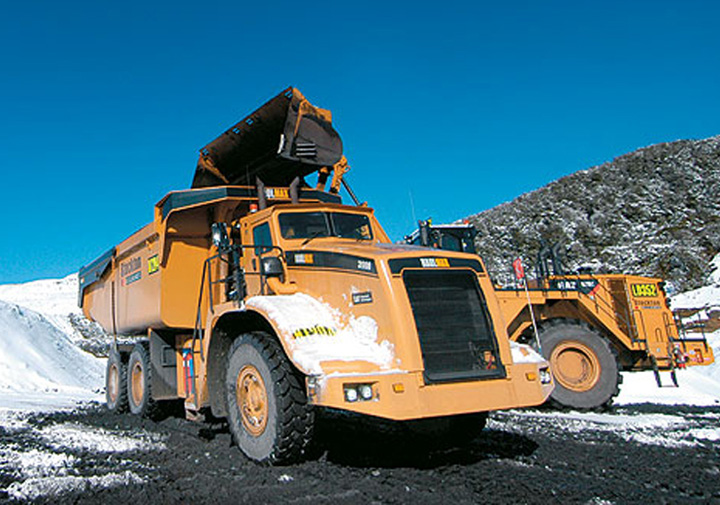
Mining & Quarrying
Quarries, aggregate and extraction sites, where cellular coverage is often genuinely absent rather than merely poor. That usually points to a licensed channel and a site repeater rather than PoC, antennas specified for the terrain, and equipment rated for dust and vibration. We model the coverage, apply for and hold the licence, and test it on site once it is in.
- Safety
- Coverage across the whole pit, including where cellular does not reach.
- Efficiency
- Plant and haul movements coordinated instead of queued.

Construction
Multiple trades, plant operators and a site office that all need to hear each other before anything moves. Simplex UHF is usually right on a single site: no licence to wait for, no carrier to depend on, and it still works when the site has neither power nor coverage. Multi-site builders and plant hire firms add PoC so the head office is on the same system as every job.
- Safety
- Banksman to operator without line of sight, before the load swings.
- Efficiency
- Trades and deliveries sequenced on one channel rather than by phone.
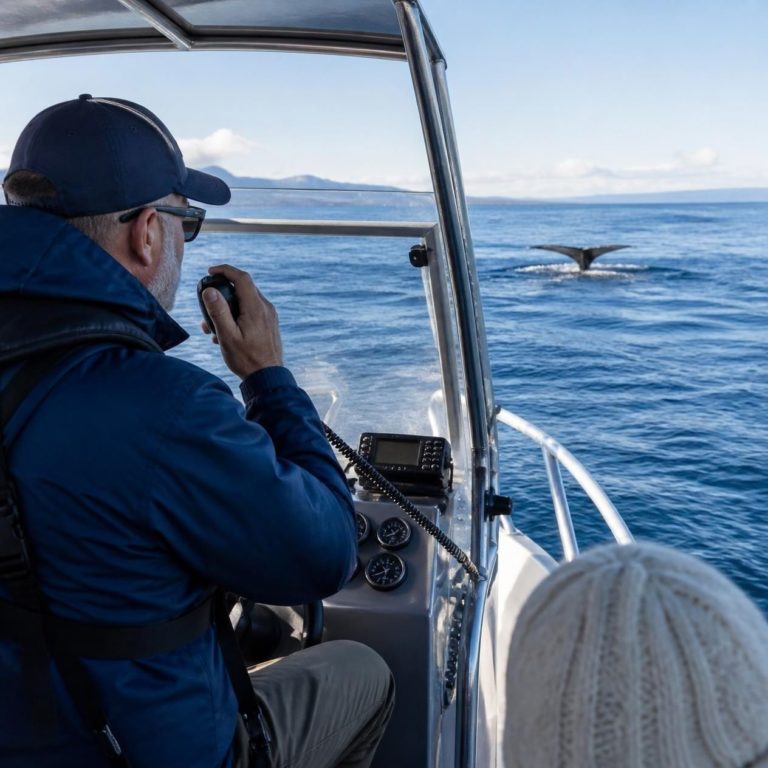
Tourism
Tour coaches, charter vessels, adventure operators and ski fields, where guides and drivers are often working somewhere a phone simply does not reach. The split is usually geographic: PoC where there is cellular coverage and a licensed channel where there is not. Either way the point is the same — a guide with passengers should never be out of contact with base.
- Safety
- Guides stay in contact with base well beyond the cellular network.
- Efficiency
- Departures, fleet and guide movements tracked across the day.
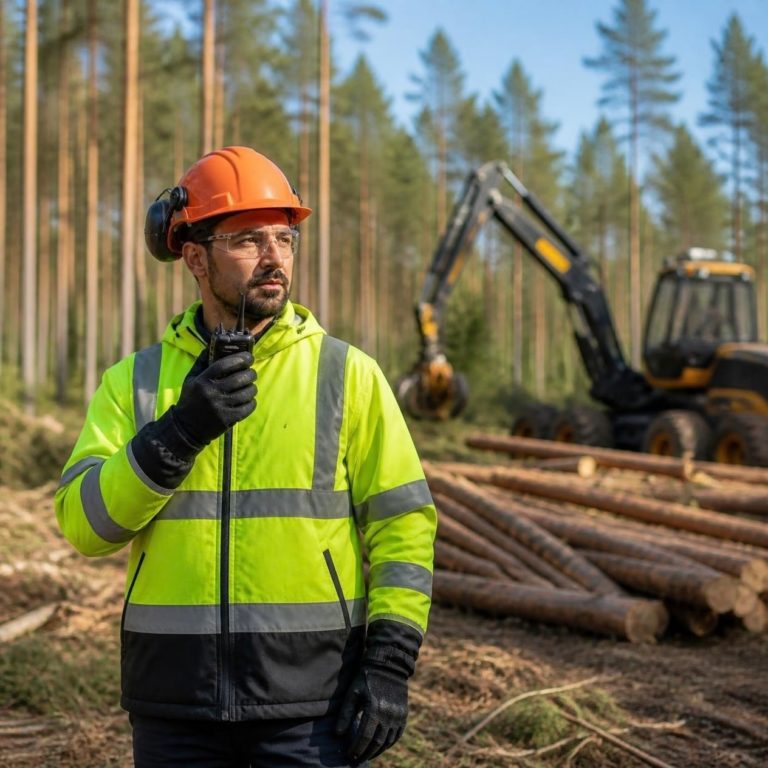
Forestry
Harvesting crews, breaker-outs, log trucks and block managers, working where there is frequently no cellular signal at all and where communication is a safety control rather than a convenience. That means licensed radio, antennas specified for the terrain and the trees, and hearing protection with a built-in speaker. On the cartage side, GPS and RUC on the truck fleet.
- Safety
- Crews in contact in blocks with no cellular signal whatsoever.
- Efficiency
- Landing, loading and cartage kept in sequence instead of waiting.
Transportation
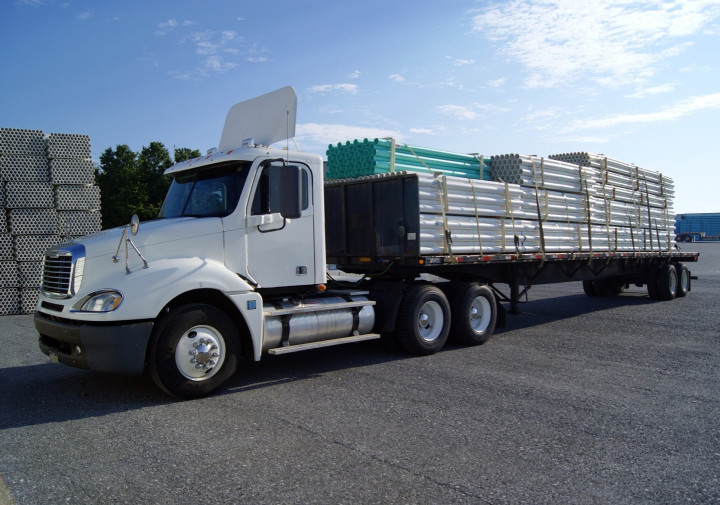
Line-haul, freight, distribution and courier fleets. The distances rule out a repeater network, so PoC carries the voice and GPS carries everything else — location, running times, driver behaviour and road user charges on the heavy vehicles. Vehicle Wi-Fi is increasingly part of it too, once e-logs and proof of delivery move into the cab.
- Safety
- Incident and fatigue response that does not depend on a phone signal.
- Efficiency
- Location, running times and RUC from one platform.

Civil & Utilities
Roading contractors, water, power, telco and drainage crews, spread across a region and often working nights under traffic management. Crews need to talk on site and back to a controller who may be two hours away, so most run PoC with licensed radio on the bigger fixed sites. We hold the licences and monitor the network so a fault gets found before a crew reports it.
- Safety
- Night crews under traffic management stay in contact with a controller.
- Efficiency
- Network faults found by monitoring before a crew phones them in.
Manufacturing
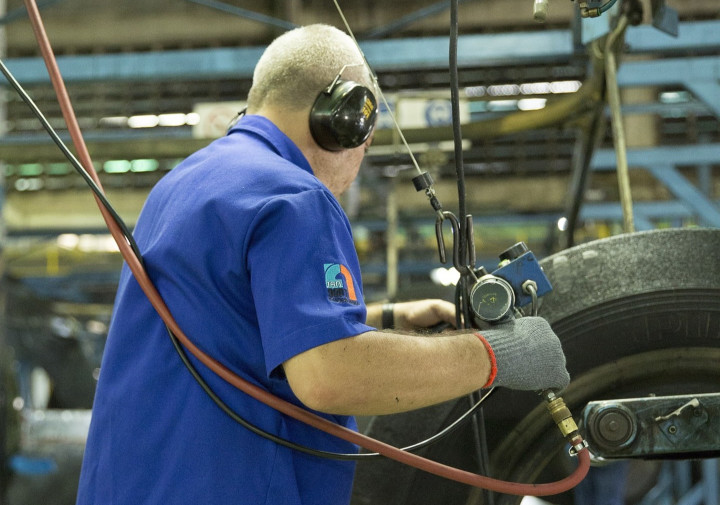
Production lines, maintenance teams, despatch and the yard, all inside a building designed to keep weather out rather than let radio through. Steel, concrete and plant noise are the two constraints, so the specification is about coverage inside the structure and hearing protection on the floor, not about how far the radio will reach outdoors.
- Safety
- Plant-wide contact through steel and concrete, with hearing protection on.
- Efficiency
- Line stoppages escalated the moment they happen, not at handover.
Why Signals
Why fleets move to us, and stay
Six things that are true of us and are not true of most of the alternatives. They are also the six reasons customers give when we ask why they switched — usually after a safety review or a productivity push forced the question.
We built PoC in New Zealand
We put the country's first push-to-talk over cellular network in the ground in 2018 and have run it continuously since. With 3,500 devices in the field it remains by a wide margin the largest PoC fleet in New Zealand. Nobody else here has been doing this as long.
Nothing is subcontracted
The engineer who designs your coverage and the technician who fits the vehicle are Signals staff. Two bases, Christchurch and Auckland, working on site nationwide. When something goes wrong there is nobody else to point at, which concentrates the mind usefully.
Everything from one place
Radio, PoC, GPS and RUC, vehicle Wi-Fi, antennas, installation, maintenance, monitoring, repairs and short-term hire. One vehicle off the road once, one supplier to call, and no arguments between contractors about whose fault it is.
We hold your licences
We apply for the licence, coordinate the frequencies, hold it and manage the renewals so nothing lapses quietly. There are currently 312 active RSM licences on our books, held on behalf of customers who would rather not think about them.
Straight about the brands
Exclusive New Zealand distributor for Kirisun. Authorised dealer for Icom, Kenwood, GME and Hi-Tec Aerials. Everything else we sell or service, we describe as exactly that. We also repair most brands, current and old models, whether or not we supplied them.
We will talk you down
If a single simplex channel does what you came in asking a repeater network to do, we will say so. Recommending the cheaper answer costs us margin once and tends to be worth considerably more than that afterwards.
Common questions
Before you get in touch
Our industry is not on your list. Do you work with us?
Almost certainly. The fifteen above are where we have the most depth, not the limit of what we do — we have supplied thousands of radios to hundreds of customers across twenty years, including marine, events, film, agriculture, health and education. What a new sector means in practice is that we will ask more questions before quoting rather than fewer.
Do you actually know our sector, or is this marketing?
Ask us a specific question and judge the answer. A useful test is to ask what we would fit and what we would not, and why — if the answer is the same regardless of what you have just described, you are talking to someone reading from a catalogue. We will also tell you when the honest recommendation is cheaper than what you came in asking for.
Can we trial it before committing?
For PoC, usually yes. We hold a large demo and rental fleet of handhelds, so getting real radios into your crews' hands for a period is straightforward. In-vehicle mobile units are more limited but still possible. A trial does need requirements gathering and some configuration first — PoC set up badly trials badly, which helps nobody.
Do you work outside Christchurch and Auckland?
Yes. Those are the two bases; the engineers and technicians travel, and they are our own staff rather than subcontractors. Rental and repair equipment ships nationwide, and in-house repairs support companies all over the country.
Can you take over a fleet somebody else installed?
Often, yes. We service most brands — Kirisun, Icom, Hytera, Motorola and Tait among them — so an existing fleet does not have to be replaced to be supported. We will tell you honestly if the equipment is at the end of its life, and equally honestly if it has years left in it.
How do we justify the spend internally?
Most business cases we see come down to two lines: a safety control the current setup does not actually provide, and time recovered across the fleet every single day. The safety side usually carries the decision and the efficiency side usually carries the payback. We are not health and safety consultants and we will not tell you what your obligations are — but we will tell you plainly what a system does and does not give you, so whoever writes the case is working from accurate information rather than a brochure.
Do you handle the radio licensing?
Yes, and for most customers it is one of the more useful parts of the service. We apply for the licence, coordinate the frequencies, hold the licence and manage the renewals so nothing lapses. We currently hold 312 active RSM licences on behalf of customers.
Tell us what your fleet does all day
Where it goes, how many people are on it, and what is not working now. We will tell you what we would fit, what we would leave alone, what it does for safety and for productivity, and what it costs — in that order.
sales@signals.co.nz · Christchurch & Auckland · on site nationwide