
Push-to-Talk over Cellular
New Zealand's PoC
specialists
We built New Zealand's first push-to-talk over cellular network in 2018, and we have been deploying it continuously ever since. Still today it carries the largest PoC fleet in the country.
Christchurch based · supporting fleets nationwide since 2018
The technology
Radio coverage without the radio network
Push-to-talk over cellular puts your talkgroups on the 4G network instead of on repeaters you have to build, licence and maintain.
Press the button and you are talking — to one person, a talkgroup, or everyone — anywhere the cellular network reaches. That is most of the country on day one, with no site acquisition, no spectrum licence, no repeater maintenance and no coverage survey.
It behaves like a radio because it is a radio. Instant push-to-talk, no dialling, no ringing, no call to answer. What changes is what sits behind it: a national carrier network instead of a hilltop, and a dispatch console instead of a base station.
- National coverage from day one. Anywhere 4G reaches, which for most fleets means the whole operating area rather than a licensed cell around a repeater.
- No infrastructure to own. No sites, no towers, no repeater servicing, no licence renewals, no coverage gaps to engineer around.
- Your choice of carrier. We run on Spark or One NZ — the two best networks in the country — so you pick whichever covers your sites and routes best.
- Both networks on one device. Dual-SIM models take a Spark and a One NZ SIM together. You choose the active one in the device settings, the same way a dual-SIM phone works, so a crew heading into a known weak spot can switch rather than lose contact.
- Unlimited talkgroups. Restructure teams, depots and shifts from the console — not by reprogramming every radio in the fleet.
- GPS on every device. Location reporting and track history come as standard, not as a separate telematics purchase.
- Scales by one. Add a device or a user without touching anything else.
An honest comparison
PoC or DMR?
We sell both, so here is the straight answer rather than the sales one. PoC wins for most commercial fleets. DMR still wins in specific places, and we will tell you when yours is one of them.
| PoC | DMR / analogue | |
|---|---|---|
| Coverage | National, wherever 4G reaches | Limited to your repeater footprint |
| Up-front cost | Devices only | Devices, repeaters, sites, antennas, licensing |
| Ongoing cost | $17 per device, per month | Licence fees, site rental and repeater maintenance |
| Time to deploy | Days | Weeks to months |
| Works with no network | No — it needs cellular or Wi-Fi | Yes, including direct radio-to-radio |
| Deep in-building and underground | Depends on cellular coverage | Engineered to suit the site |
| Dispatch, GPS and recording | Included | Added at extra cost |
| Adding a site or region | Nothing to build | New infrastructure |
Where DMR still wins: underground work, tunnels, remote back-country sites with no cellular coverage, and any operation that must keep talking when the public network goes down. If that is you, we will quote you DMR — or a hybrid, with the Smart Gateway bridging your DMR fleet into the same talkgroups as your PoC devices.
Our customers’ favourite part
PoC web dispatcher
Buyers compare radios. Then they use the system for a month and realise the console is what actually changed how they run the operation. It runs in a browser, there is nothing to install, and no hardware to invest in.
Live map and track playback
Every device's GPS position on one map in real time, with recorded tracks you can replay — where a vehicle went, when it stopped, how long it was there.
Every call type from the desk
Individual, group, all-call and broadcast, initiated by the dispatcher. Reorganise talkgroups on the fly without touching a single device.
SOS and lone worker
Emergency alerts land on the console with the caller's location. Lone-worker monitoring and man-down detection escalate automatically when someone cannot press a button themselves.
Voice recording
Calls are recorded and held for three months, and you can download anything you need to keep for longer straight from the platform. An incident review becomes a search rather than an argument about who said what.
Patrol management
Patrol points, routes, plans and events, with reports and statistics out the other end. Guards tag checkpoints by NFC; you get evidence the round was walked.
Job ticketing
Issue a job to a device, track its state, close it off. The work and the conversation about the work stay in one place.
Real-time video
Live video from body cameras, PoC smartphones and in-cab terminals straight to the console, so a supervisor can see the situation instead of hearing a description of it.
DMR and PDT interconnect
The Smart Gateway links existing DMR or PDT radio networks into the same talkgroups, so a staged migration does not mean two disconnected fleets.
Who runs it
3,500 devices, in real fleets
Transport operators, waste fleets, security teams and national organisations run day-to-day operations on the network we built.


“I've had only great experiences working with Elisha and the team at Signals. They are knowledgeable, responsive, and clear in their communication, making the entire process seamless.”
Deon LotzAptitude Security
“Elisha and Signals NZ were extremely helpful in assisting with the selection and implementation of a [PoC] system for our construction site, all at a competitive price.”
Taylor ArmourWestfield Group
The range
Kirisun PoC at a glance
Nine devices plus the Press2Talk app, all running on the same service and all talking to each other. Mix handhelds, vehicle sets, body cameras and app users across one organisation and choose per role, not per company. Prices are ex GST.
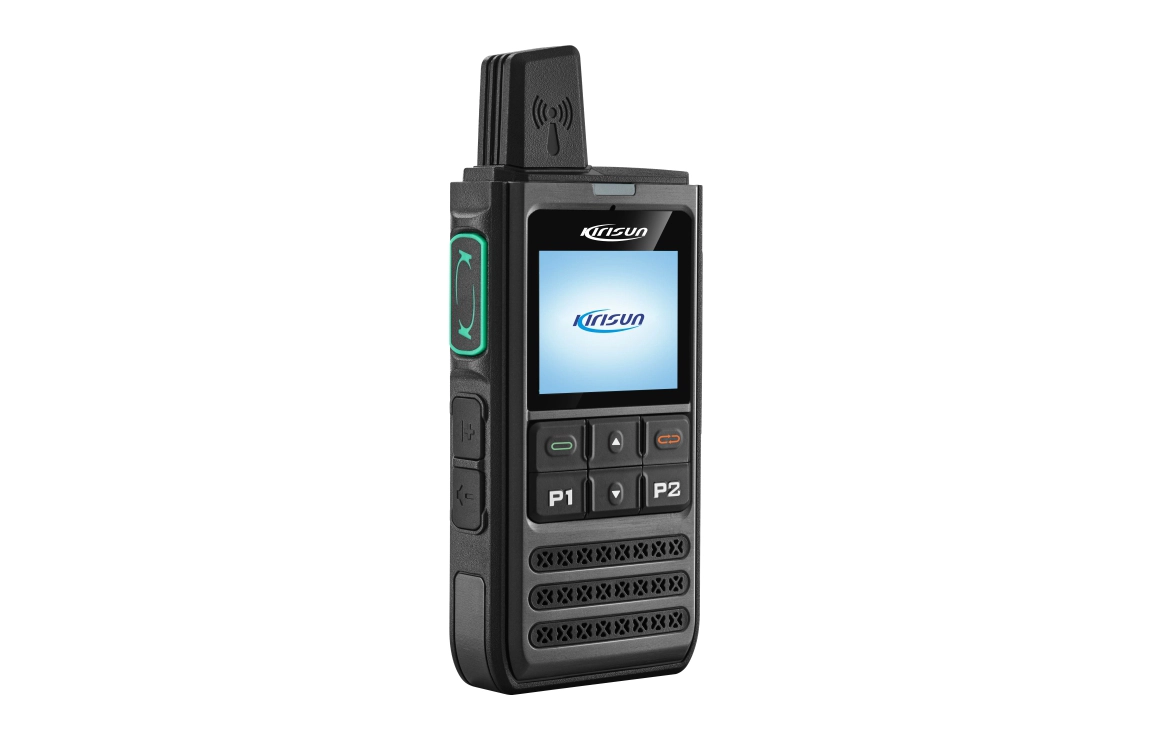 T3
Lightest handheld, longest battery
Display1.77″ colour
Battery30 hours
SealingNot rated
SIMDual SIM
$590.00ex GST
View details →
T3
Lightest handheld, longest battery
Display1.77″ colour
Battery30 hours
SealingNot rated
SIMDual SIM
$590.00ex GST
View details →
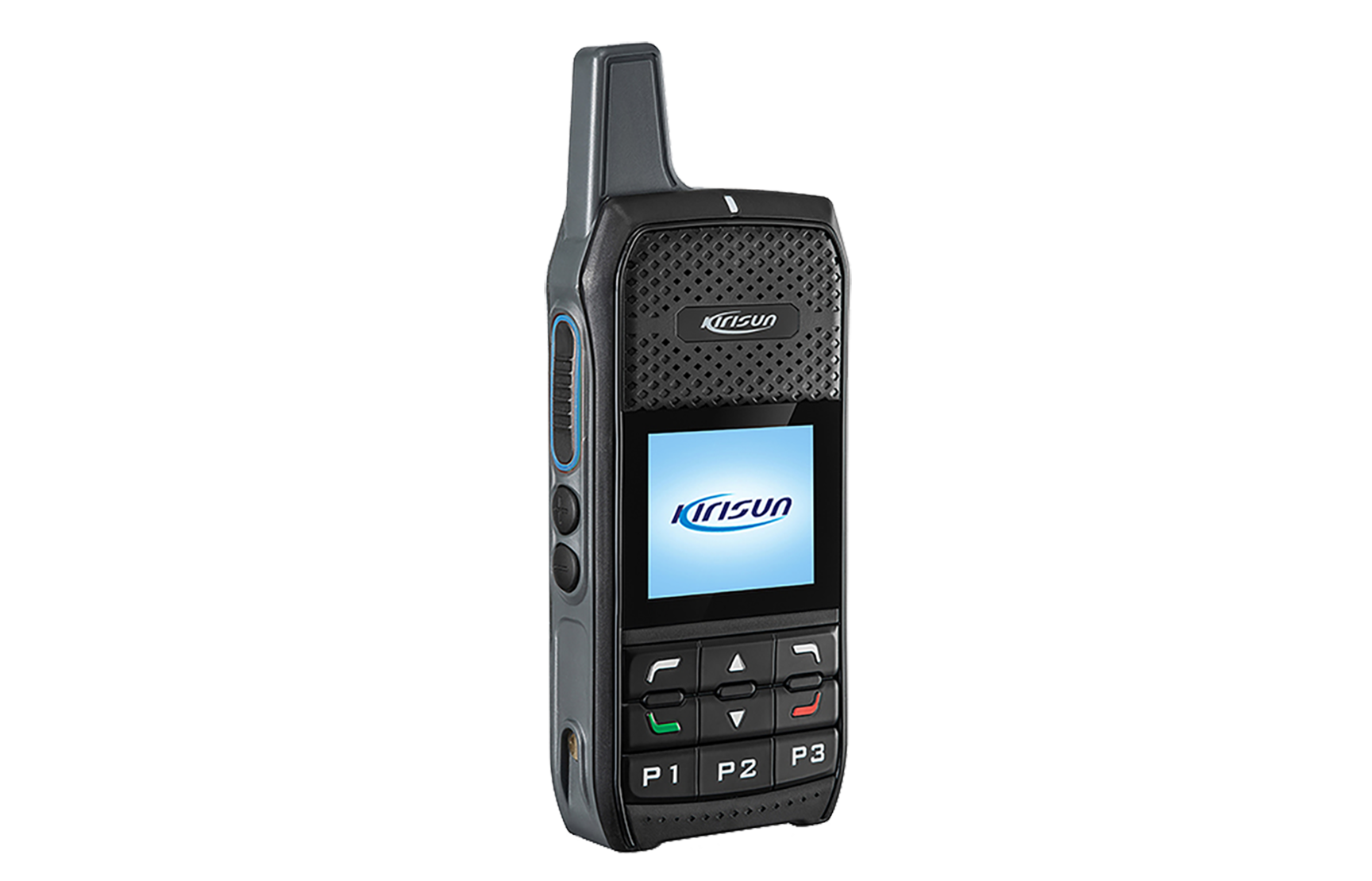 T350
Ultra-slim, programmable alarm keys
Display1.77″ colour TFT
Battery14 hours
SealingIP54
SIMSingle SIM
$650.00ex GST
View details →
T350
Ultra-slim, programmable alarm keys
Display1.77″ colour TFT
Battery14 hours
SealingIP54
SIMSingle SIM
$650.00ex GST
View details →
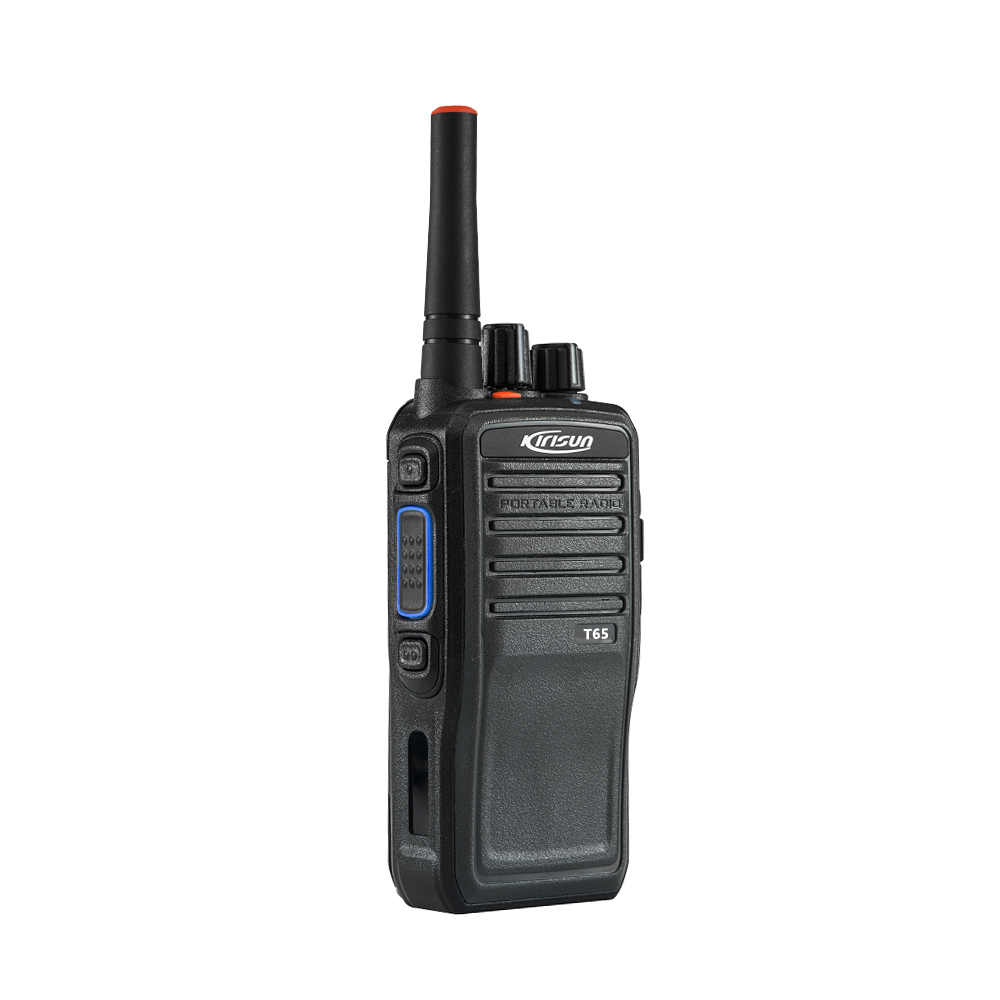 T65
No screen — press and talk, nothing to configure
DisplayNone
Battery18 hours
SealingIP54
SIMDual SIM
$799.00ex GST
View details →
T65
No screen — press and talk, nothing to configure
DisplayNone
Battery18 hours
SealingIP54
SIMDual SIM
$799.00ex GST
View details →
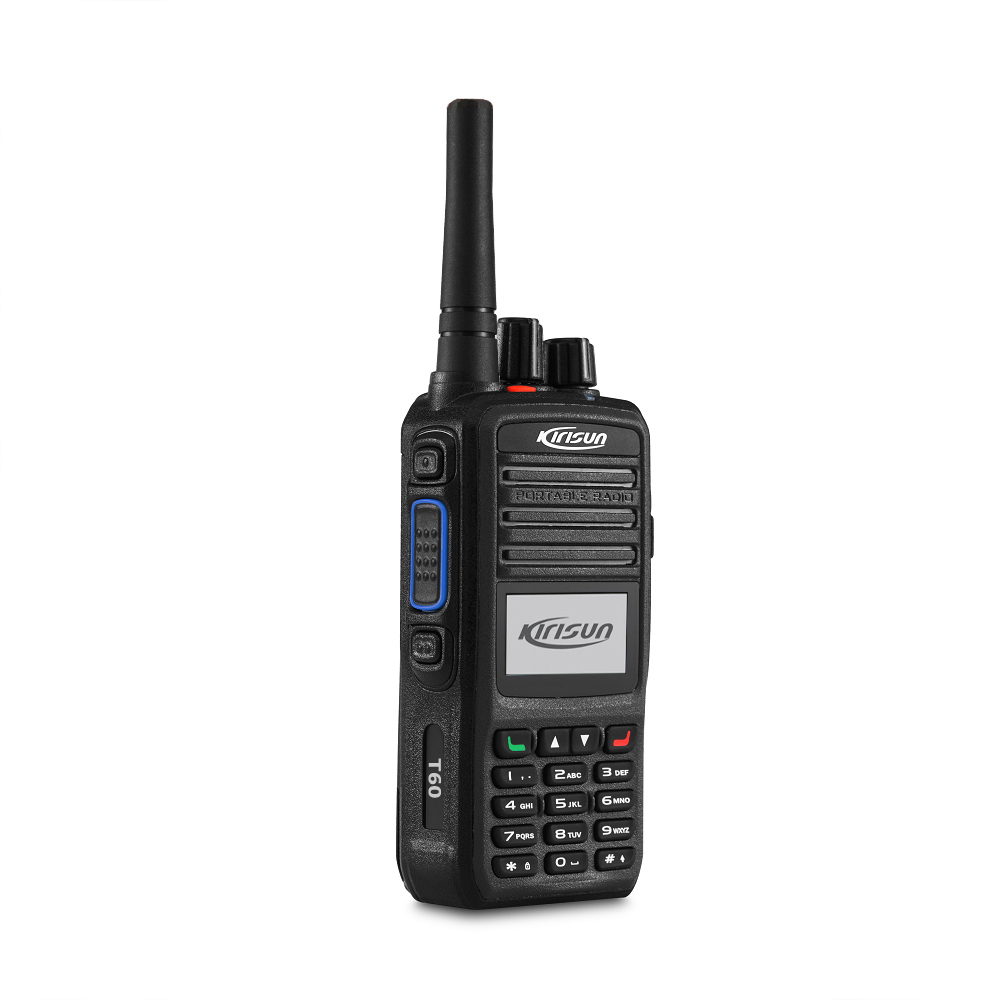 T60
The T65 with a display for contacts and messaging
Display128×64 mono LCD
Battery15 hours
SealingIP54
SIMDual SIM
$899.00ex GST
View details →
T60
The T65 with a display for contacts and messaging
Display128×64 mono LCD
Battery15 hours
SealingIP54
SIMDual SIM
$899.00ex GST
View details →
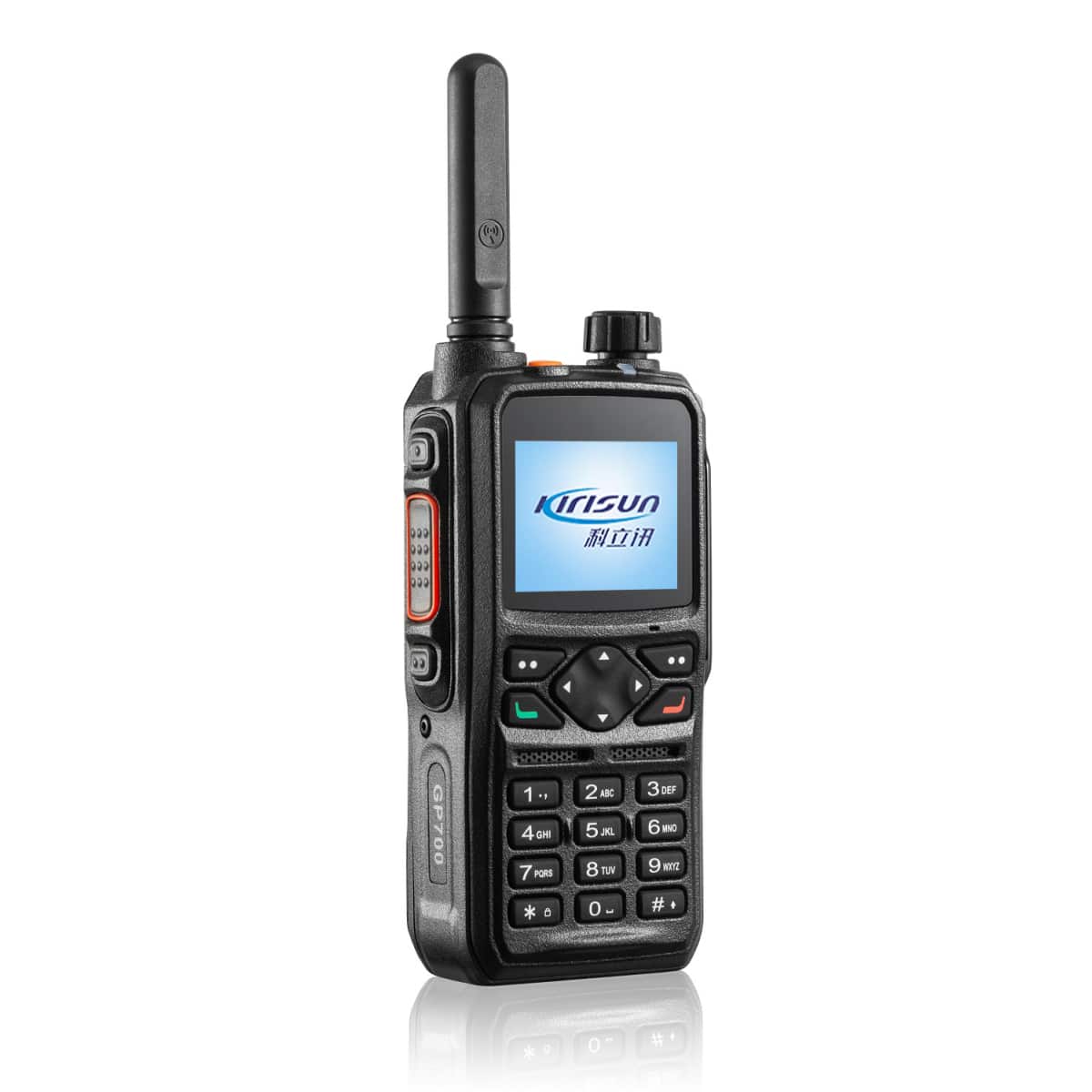 GP700
Man-down, lone worker and geo-fencing built in
Display1.77″ transflective
Battery24 hours
SealingIP68 · MIL-STD-810G
SIMSingle SIM
$999.00ex GST
View details →
GP700
Man-down, lone worker and geo-fencing built in
Display1.77″ transflective
Battery24 hours
SealingIP68 · MIL-STD-810G
SIMSingle SIM
$999.00ex GST
View details →
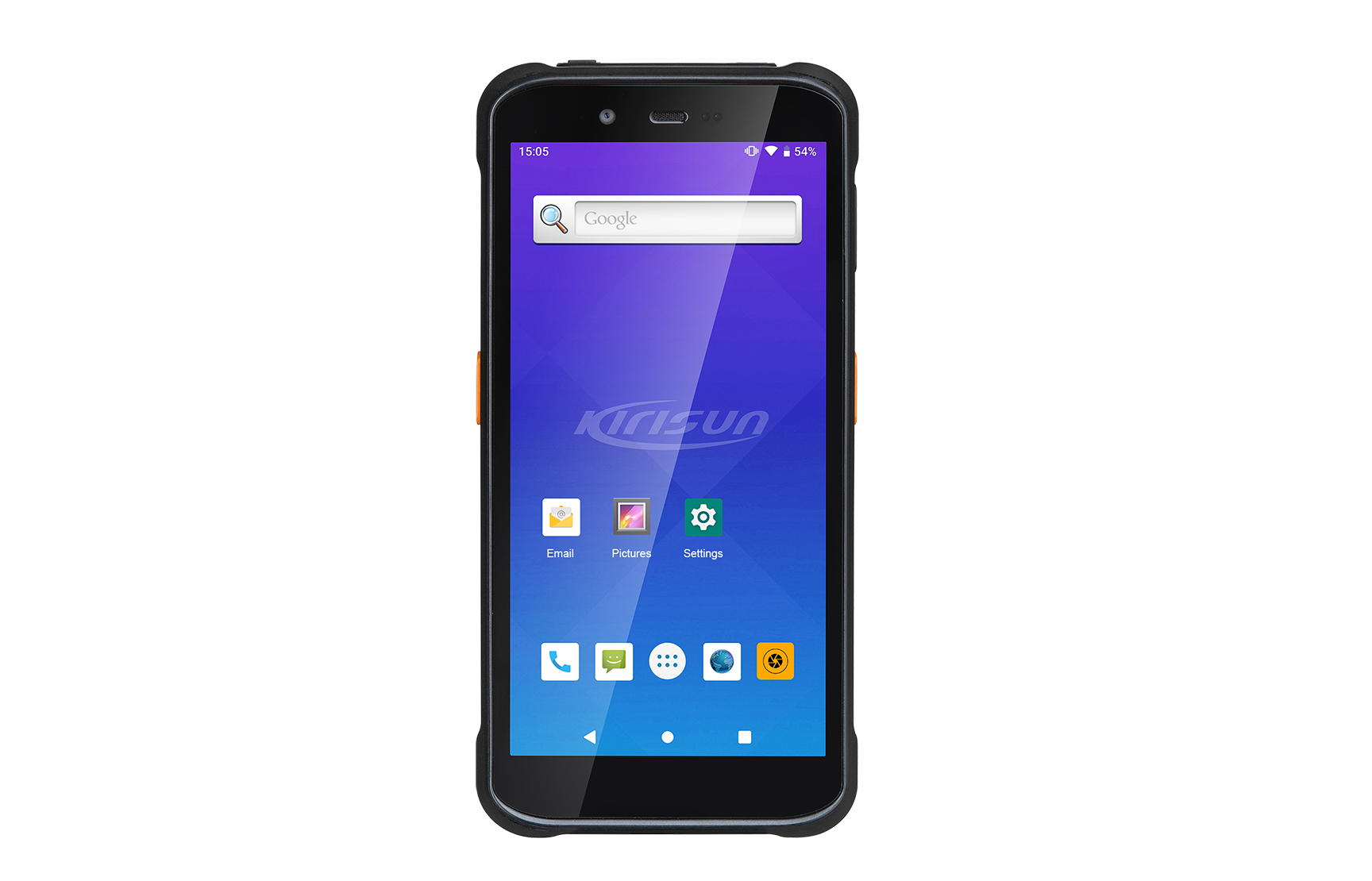 T650
Radio and smartphone in one, with video dispatch
Display5.5″ HD IPS touch
Battery12 hours
SealingIP68
SIMDual SIM
$850.00ex GST
View details →
T650
Radio and smartphone in one, with video dispatch
Display5.5″ HD IPS touch
Battery12 hours
SealingIP68
SIMDual SIM
$850.00ex GST
View details →
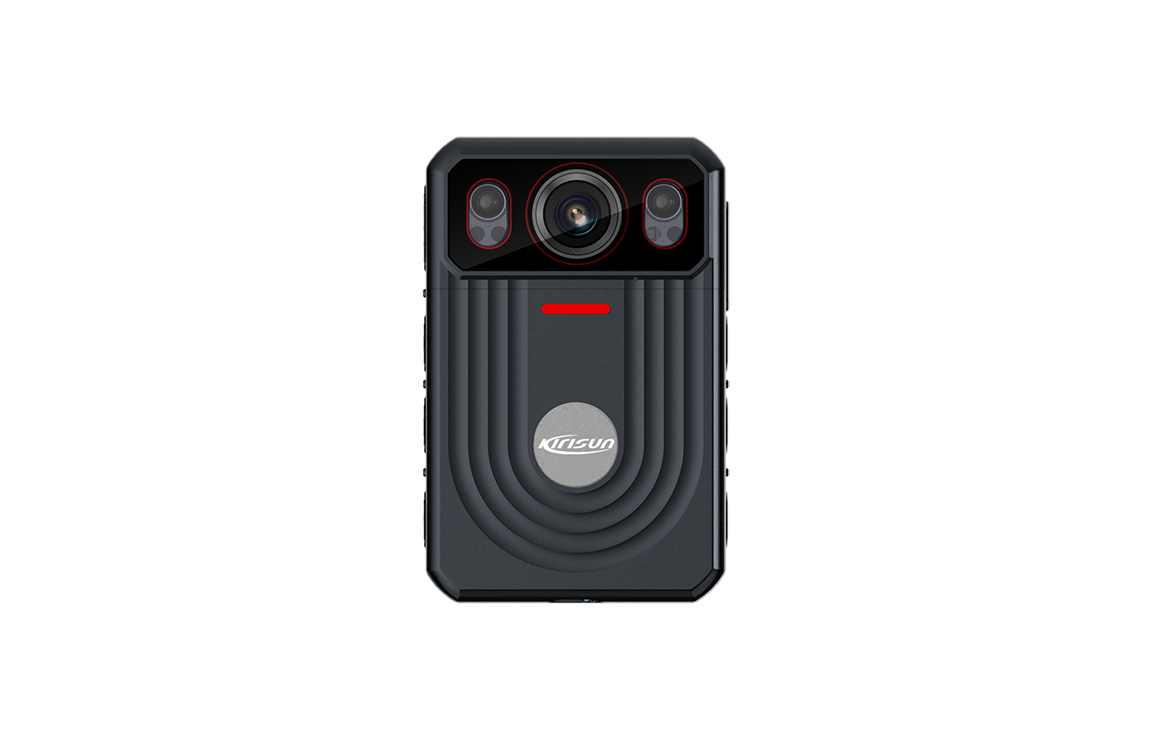 D5
Body camera and PoC radio in one device
Display2.4″ HD touch
Battery10 hours PTT
SealingIP67
SIMSingle SIM
$1,299.00ex GST
View details →
D5
Body camera and PoC radio in one device
Display2.4″ HD touch
Battery10 hours PTT
SealingIP67
SIMSingle SIM
$1,299.00ex GST
View details →
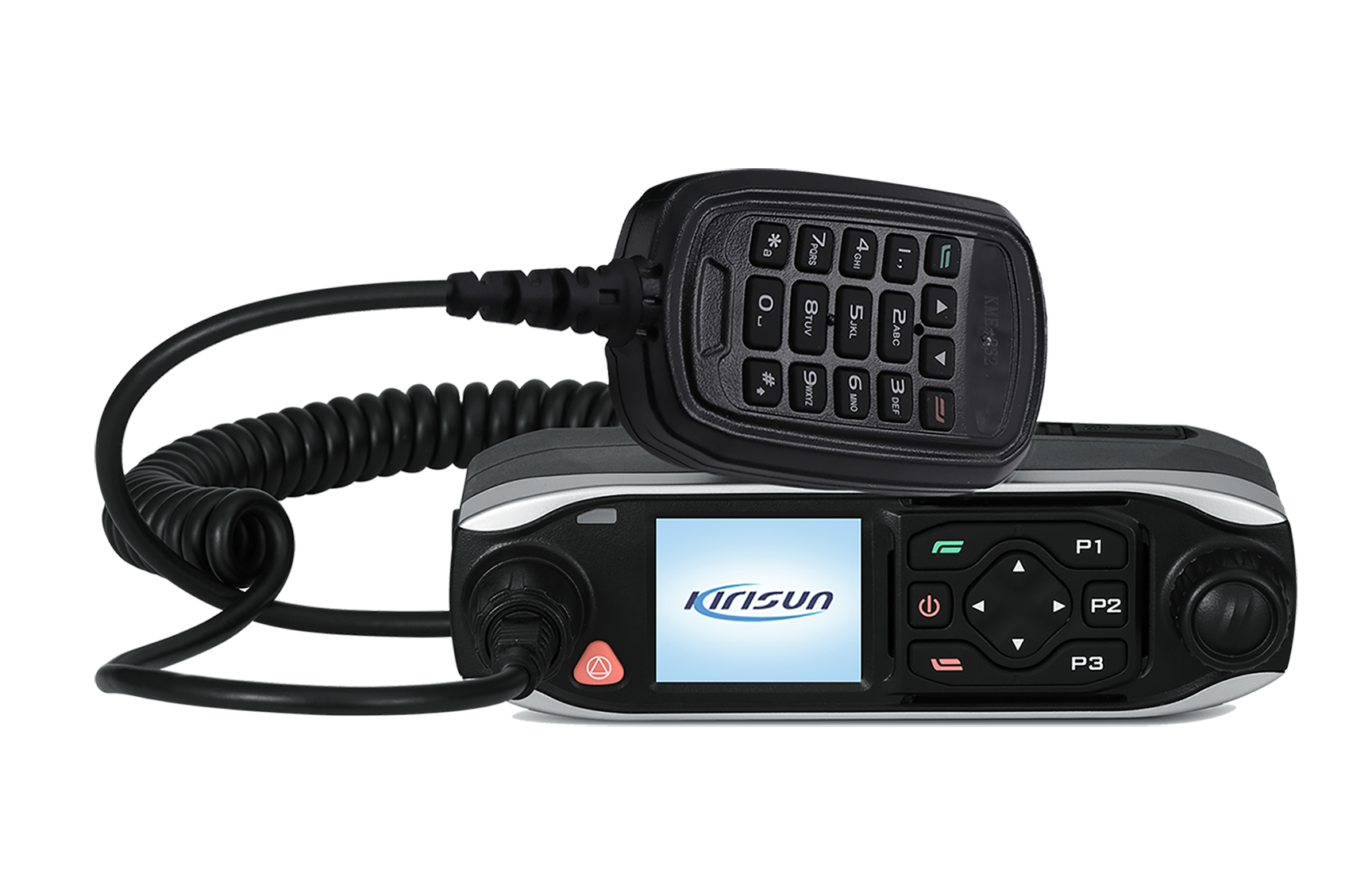 M50
Dash mount for trucks, vans and plant
Display1.77″ colour
PowerVehicle powered
SealingIP54
SIMDual SIM
$959.00ex GST
View details →
M50
Dash mount for trucks, vans and plant
Display1.77″ colour
PowerVehicle powered
SealingIP54
SIMDual SIM
$959.00ex GST
View details →
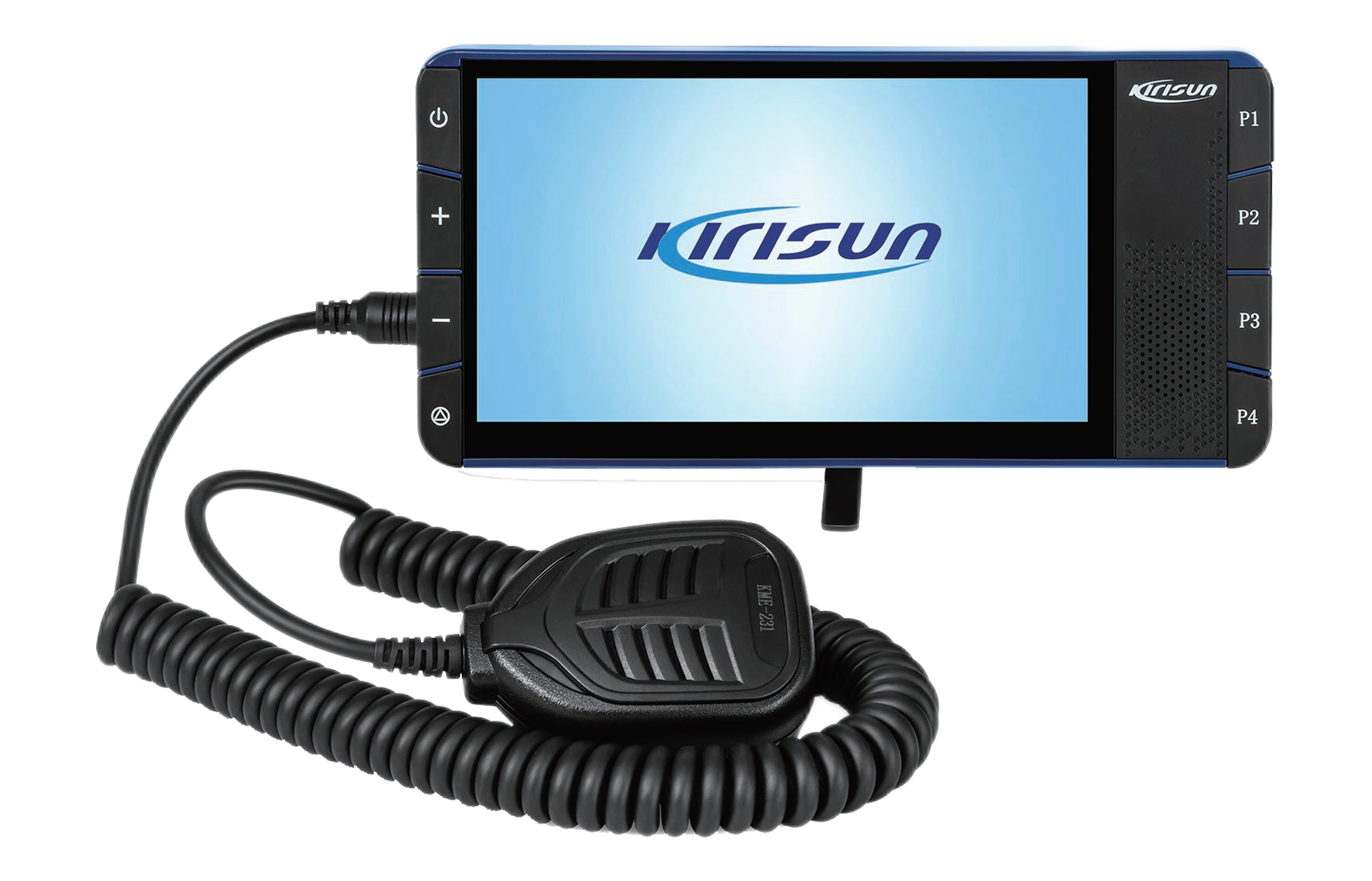 M80
7″ in-cab terminal with RFID card reader
Display7″ capacitive touch
PowerVehicle powered
SealingNot rated
SIMSingle SIM
$1,299.00ex GST
View details →
M80
7″ in-cab terminal with RFID card reader
Display7″ capacitive touch
PowerVehicle powered
SealingNot rated
SIMSingle SIM
$1,299.00ex GST
View details →
Not everyone needs a radio. The Press2Talk app puts the same talkgroups on a staff member’s own phone for $17 per user per month plus GST — useful for managers, back office and anyone who only occasionally needs the channel.
Try it first
Scope your free trial
We do not hand out a box and hope. We scope the trial around how your people actually work, configure it, and put real devices in real hands on your own sites.
Tell us how you operate
Sites, routes, shift patterns, who needs to talk to whom, and what your current radios do badly. Twenty minutes on the phone covers it.
We configure it
Talkgroups, dispatch console, SIMs, user accounts and any safety features set up to match your structure before the devices leave us.
Run it on your own site
Handhelds from our demo fleet go out quickly. In-vehicle units take a little more arranging, but we do those too. Use them properly, then decide.
Start the conversation
Tell us the basics and we will come back to you to scope it properly. If you would rather talk it through, call 0800 454 756.
Trials are scoped individually because configuration is most of the value. Handheld demo units are readily available; in-vehicle units are limited in number but can usually be arranged.
Straight answers
Questions we get asked
What happens when a device goes out of cellular coverage?
It stops transmitting until coverage returns, and the console shows it as offline. This is the honest limitation of PoC and the main reason we still sell DMR. Three things reduce it in practice. You choose whether to run on Spark or One NZ, so we start with whichever network actually covers your sites. Dual-SIM devices take one of each, and the active SIM is chosen in the device settings the same way it is on a dual-SIM phone — it is not an automatic handover, but a crew working a known weak spot can switch before they get there. And the devices work over Wi-Fi, which covers most in-building dead spots. If your operation genuinely runs beyond cellular coverage, tell us early and we will quote you differently.
Can it talk to the DMR radios we already own?
Yes. The Smart Gateway bridges DMR and PDT networks into the same talkgroups as your PoC devices, so a migration can be staged over months rather than done in one weekend. A lot of our customers ran both for a period before the old fleet came out of service.
What does it actually cost to run?
The device, then $17 per device per month, which covers the network service, the web dispatcher, call recording and GPS. That is the cheapest PoC network in New Zealand, and significantly cheaper to run than most regional or national repeater networks, because there is no repeater to build, no site rental, no spectrum licence and no coverage engineering. We publish device pricing on our product pages — most of our competitors do not.
Which cellular network does it run on?
Spark or One NZ — the two best networks in the country — and the choice is yours. We look at your sites and routes and recommend whichever covers them better. On dual-SIM devices you can carry both and select the active SIM in the settings, so a crew can switch networks in the field when they need to.
Do we need a radio licence?
No. PoC runs on the cellular network, so there is no spectrum licence, no frequency coordination and no renewal to diarise.
How long does deployment take?
Days rather than months. The devices arrive configured with your talkgroups and user accounts already set up, so deployment is handing them out and a short briefing. There is no infrastructure to install.
Can we restructure talkgroups later?
Yes, from the console, without collecting the radios. This is one of the larger practical differences from DMR, where changing the fleet plan means reprogramming every handset.
What happens to the recordings and location data?
Calls are recorded and held for three months on the platform, and you can download anything you need to keep for longer through the web dispatcher and store it yourself. GPS tracks are kept for playback over the same period. If you have a retention policy of your own, tell us and we will set the trial up to match it.
Why Kirisun?
We are the exclusive New Zealand distributor, which means stock in the country, parts and accessories on the shelf, firmware and platform support direct from the manufacturer, and a range that runs from a screenless handheld to a body camera on one service. It also means the people supporting the devices are the people who imported them.
Next step
Talk to the people who built it
We have been deploying push-to-talk over cellular in New Zealand since 2018, longer than anyone else here, and 3,500 devices are running on it today. Tell us how your people work and we will tell you which three devices are worth looking at — and why the other seven are not.
Signals NZ · 9 Knight Place, Riccarton, Christchurch · sales@signals.co.nz