
Radio service / Monitoring
Monitoring
Your network tells us
before your crew does
We watch as much of your network as can be watched — repeaters, antenna input, power supply and battery backup — so a problem is identified when it appears, not when someone finally reports that the radios have gone quiet. Usually on the equipment you already own, not a network you have to buy first.
Christchurch & Auckland · 0800 454 756 · sales@signals.co.nz
What it answers
Three questions, answered before you have to ask
Monitoring is not one thing. It answers three different questions, and each one saves you something different.
Network health
The simplest and most important question. Is the site online and doing its job? You find out from us, not from a crew who could not raise anyone.
Degradation
The more valuable question. Readings drifting the wrong way mean something needs attention soon — while it is still a planned job rather than an outage.
Troubleshooting
When something has failed, knowing which element failed is what turns a guessing exercise into a job. One trip, the right part, the first time.
What we monitor
Not just whether the repeater is up
On a repeater site, "the radio is not working" can be any one of several things, and they need completely different responses. So we monitor the elements separately.
 01
01
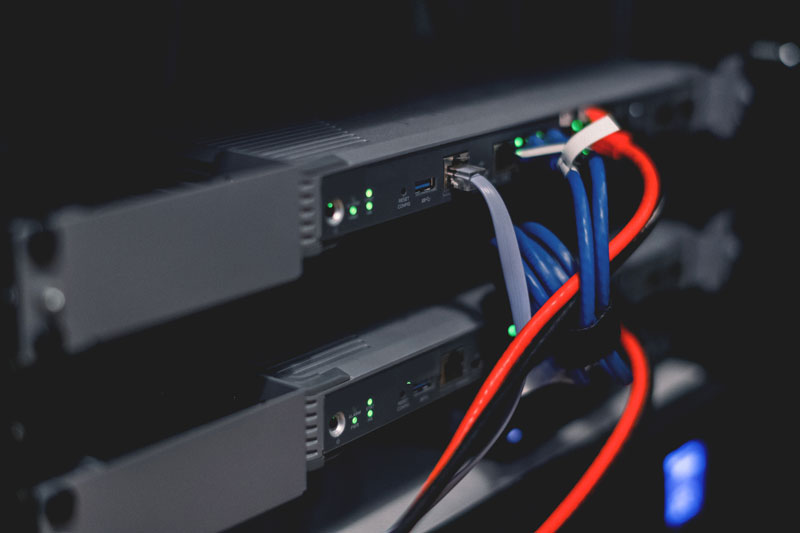
Repeaters
Whether the repeater is online and behaving as it should. The centre of the site and the first thing anyone asks about.
 02
02
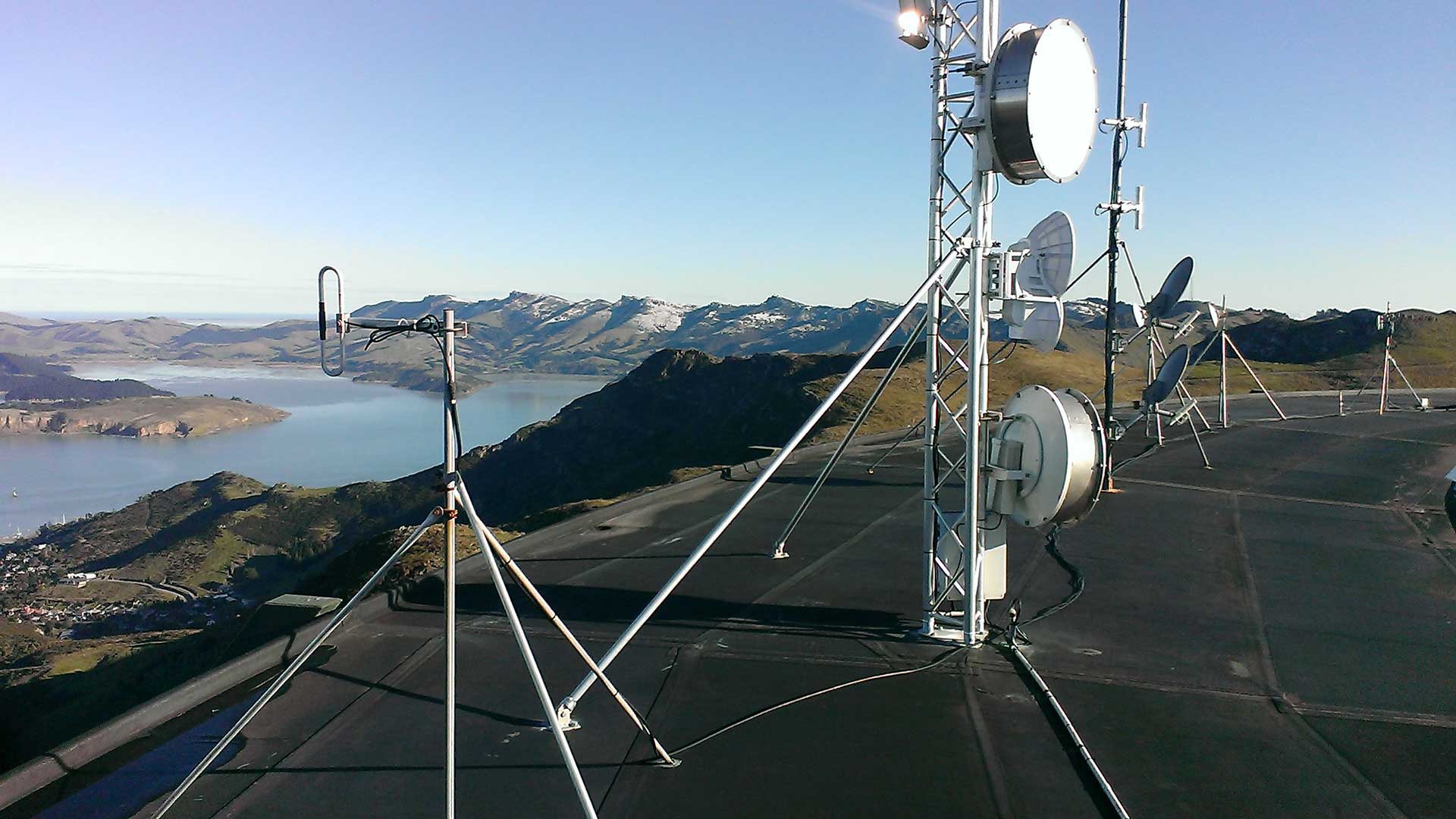
Antenna input
What the antenna and feeder are actually delivering. A problem here costs you coverage long before it costs you the site.
 03
03
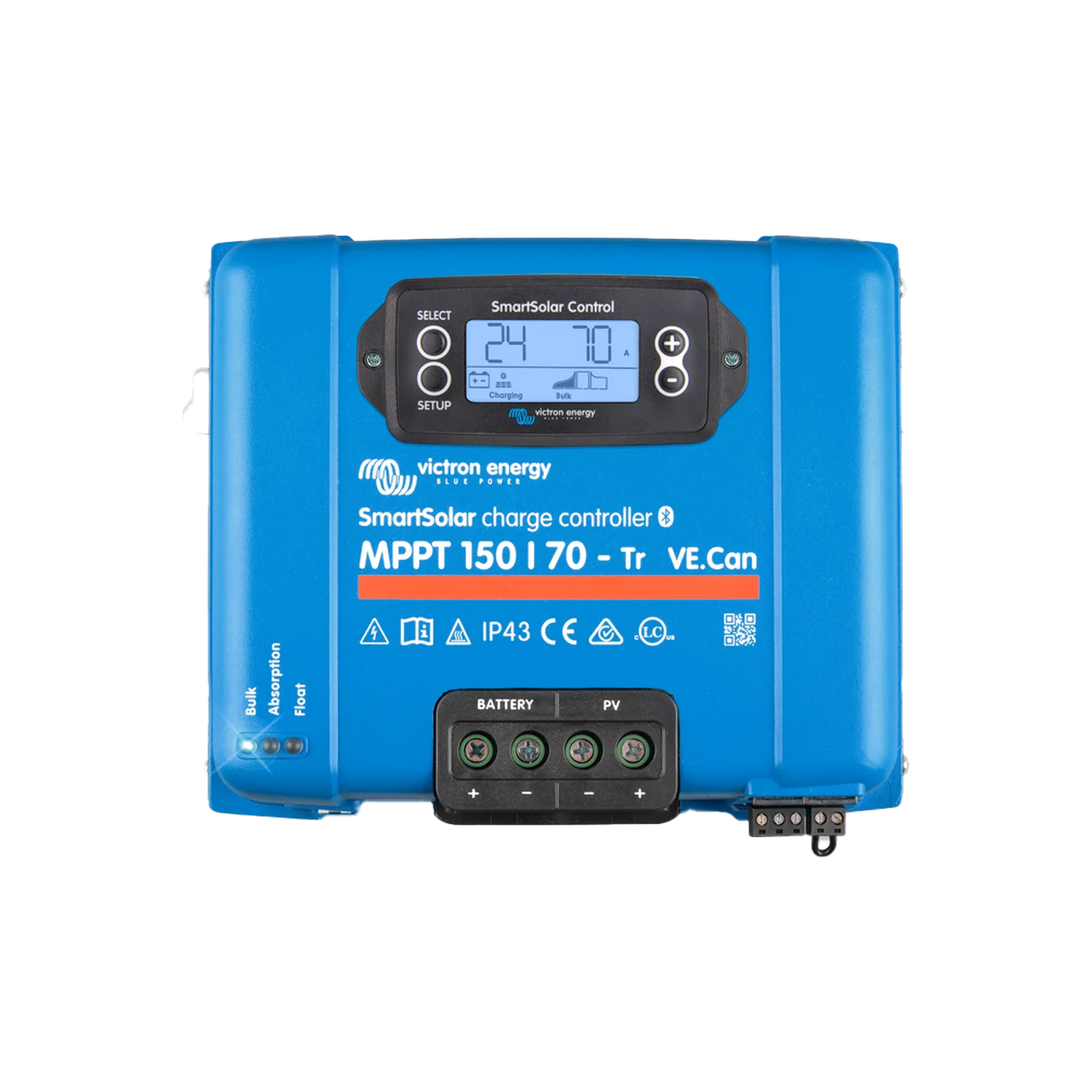
Mains supply or solar controller
A site runs on mains power or on a solar array with its own controller. Either way we watch what is feeding it, and on a solar site the controller is a common and invisible point of failure.
 04
04
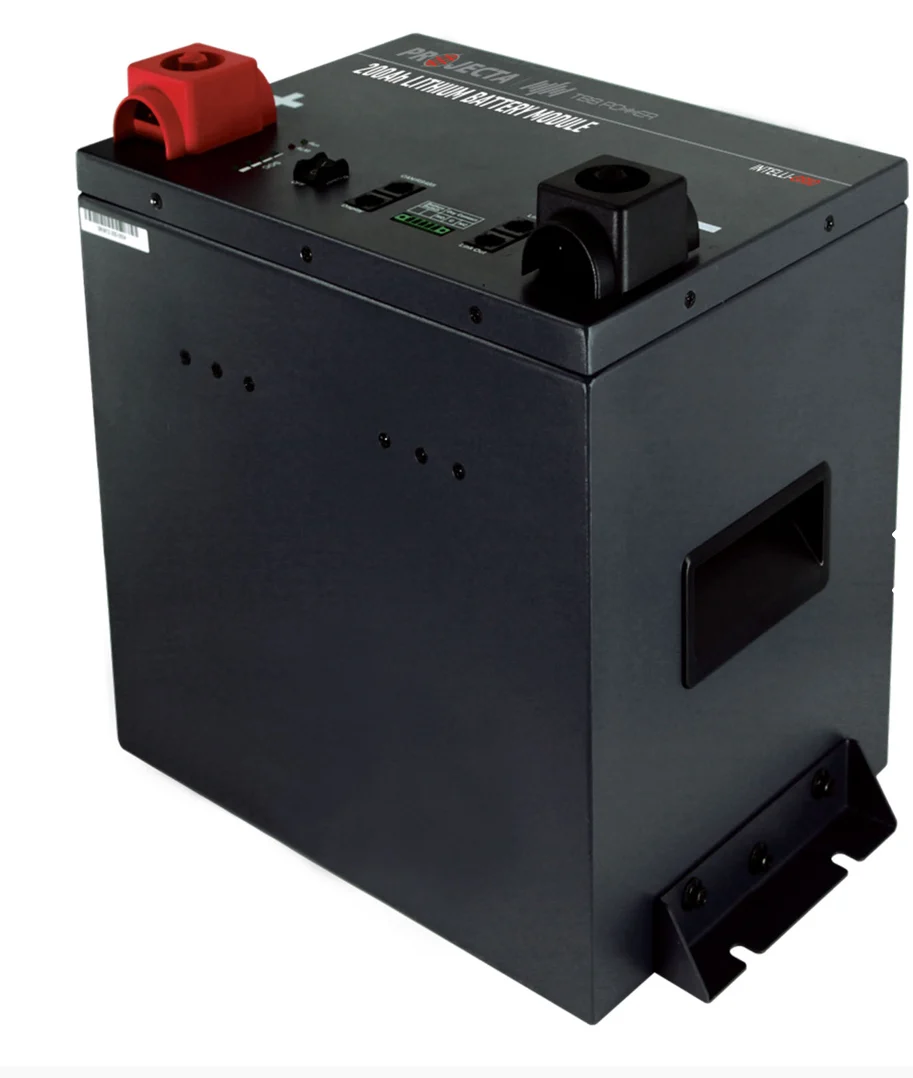
Battery backup
Whether the batteries are holding what they should. Otherwise you find out during the outage they were bought for.
What can be monitored depends on the site and what is installed there. We will tell you what is possible on yours before quoting it.
No upgrade required
You do not need a new network to see the one you have
The standard answer to “can we monitor our sites?” is that monitoring comes with the new equipment. That is a sales position far more often than it is a technical fact.
Monitoring is about getting signals out of a site. Some newer equipment reports on itself. Older equipment usually does not — but sensing can be added around it, and that is a much smaller job than replacing a repeater, an antenna system and a power supply that are all still doing their jobs perfectly well.
So we retrofit. We look at what you actually have, tell you what can be seen as it stands, what would need adding, and where the real limits are. If an element genuinely cannot be monitored without replacing it, you will hear that — rather than finding a new repeater quietly itemised in the quote.
- Fitted to equipment you already own. The point is visibility of your network, not the sale of a different one.
- Older repeaters are not ruled out. Age alone does not decide whether a site can be monitored.
- Mixed sites are normal. Networks are rarely all built in the same year, and they do not have to match to be monitored.
- Sensing added where it is missing. Where equipment cannot report something itself, that can often be added around it.
- Staged site by site. Start with the sites that matter most, or the ones that are worst to drive to.
- Honest about the limits. Where something cannot be monitored without replacement, we say so plainly.
Why it pays
The expensive part of a site fault is finding it
A remote site visit is a day, a vehicle and often a four-wheel-drive track. Doing that twice because the first trip was diagnosis is the cost monitoring removes.
Without monitoring, a fault report is "the radios are not working". Someone drives out with a van full of spares and works through the possibilities. If the part they need is not in the van, they drive out again.
With monitoring, the fault is identified before anyone leaves. The technician goes to the site knowing which element has failed and carrying the part for it. Sometimes they do not go at all, because the fix could be applied remotely.
- One trip, not two. Diagnosis happens before the vehicle is loaded, so the right part goes with it.
- Only what is needed. You pay to replace the element that failed, rather than a broader "while we are here" list.
- Sometimes no trip at all. Where a fault can be resolved remotely, it is — and the site visit never happens.
- Planned instead of urgent. Degradation caught early becomes a scheduled job rather than an emergency callout.
- Shorter outages. Time to repair drops when nobody has to work out what is wrong first.
- Peace of mind. Someone is keeping an eye on the network, which is worth something on its own.
When something changes
What actually happens
The point of monitoring is not the data. It is what gets done with it.
The network flags it
A site drops, or a reading moves outside where it should be. That surfaces immediately rather than waiting for someone to notice.
We work out what it means
Which element, how serious, and whether it is a failure now or something heading that way. A dropped repeater and a tired battery are different problems.
Fixed remotely if it can be
Some faults can be resolved without going anywhere. Where that is possible it is the fastest and cheapest outcome for everyone.
Or one targeted visit
If someone has to go, they go knowing what has failed and carrying the part for it, instead of driving out to find out.
Common questions
Before you ask us to quote
Do we have to have you maintain the network as well?
No. Monitoring is available on its own, whether or not we maintain your network and whether or not we built it. Plenty of customers start here — it is the least disruptive way to find out what condition a network is actually in.
What can you monitor on our site?
It depends what is installed there. On a typical repeater site we can usually see the repeater, the antenna input, the mains supply or solar controller, and the battery backup. Some sites allow more, some less. We will tell you what is possible on yours rather than quoting a standard package.
Our equipment is old. Do we have to replace it first?
Usually not. Monitoring can generally be retrofitted to equipment you already own — where a device cannot report on itself, sensing can often be added around it. Some elements on some older equipment genuinely cannot be monitored without replacement, and we will tell you which ones, but “you need to upgrade to get monitoring” is a sales answer much more often than a technical one.
Does this replace site maintenance?
No, and anyone telling you otherwise is selling something. Monitoring sees what the equipment reports. It cannot see a corroded connector, a cracked antenna or a mount working loose — those need somebody on site. The two do different jobs, which is why they work well together.
Can you really fix things remotely?
Sometimes — not always, and it depends entirely on the fault. Where a problem can be resolved without a site visit, that is the outcome everyone wants. Where it cannot, the value is that the visit is targeted rather than exploratory.
Our sites are remote and hard to reach. Is that a problem?
That is exactly where monitoring earns its keep. The harder a site is to get to, the more an unnecessary trip costs you and the more a targeted one is worth.
How is it priced?
It is quoted on your sites and what can be monitored at each one, so there is no list price to publish. Tell us what you are running and where, and we will come back with a number.
Also from our service team
Monitoring is one of four
Monitoring tells you something is wrong. These are how it gets put right.
Maintenance →
Scheduled site servicing — the half of the job monitoring cannot do from a distance.
Installation →
Vehicle fit-outs and site builds, commissioned and tested before handover.
Equipment repairs →
In-house workshop repairs on most brands, nationwide by courier.
All radio service →
The whole picture — how installation, maintenance, monitoring and repairs fit together.
Get eyes on it
Tell us what you would want to see
How many sites, where they are, and what is installed at each. We will tell you what can be monitored and what it would take to get there.
sales@signals.co.nz · Christchurch & Auckland · sites monitored nationwide