
Radio service / Maintenance
Maintenance
Network maintenance,
your peace of mind
Repeaters, base station antennas, feeders and site hardware degrade slowly and quietly. Scheduled maintenance finds that on a planned visit, instead of on the morning a crew needs the system and it is not there.
Christchurch & Auckland · 0800 454 756 · sales@signals.co.nz
Why it matters
The coverage you lose is the coverage you never notice
A repeater rarely stops dead. It loses a few dB, then a few more, and the edge of your coverage quietly walks inwards.
Connectors corrode. Feeder takes water. A duplexer drifts off frequency. An antenna gets a hairline crack no one can see from the ground. Site batteries stop holding the charge they are supposed to hold. None of it announces itself — the system still works, just not as far as it used to.
By the time someone reports a problem, the network has usually been degrading for months, and the person reporting it is standing somewhere they used to have coverage. Measuring a site on a schedule is how you find that while it is still cheap to fix.
- Measured, not glanced at. A site visit that does not put numbers against the equipment has not told you anything.
- Compared over time. This visit's readings against the last one is what shows you something is drifting.
- Found before it is reported. A fault caught on a scheduled visit costs less than one caught during an incident.
- Compliance stays handled. We hold 312 active RSM licences for customers and manage every renewal.
- Networks we did not build. Inherited a system from another supplier? We will survey it and take it on.
- One team for the whole site. Radio, antennas, power and links, rather than a different contractor for each.
- Records that survive staff turnover. Site history stays with us, not in a departed manager's inbox.
What we maintain
The whole site, not just the radio
A radio network is a chain. The weakest part decides your coverage, and it is almost never the part people think about.
 01
01
Repeaters and base stations
The heart of the network. Checked, measured and aligned on site, or pulled and brought to the bench when something needs more than a visit.
 02
02
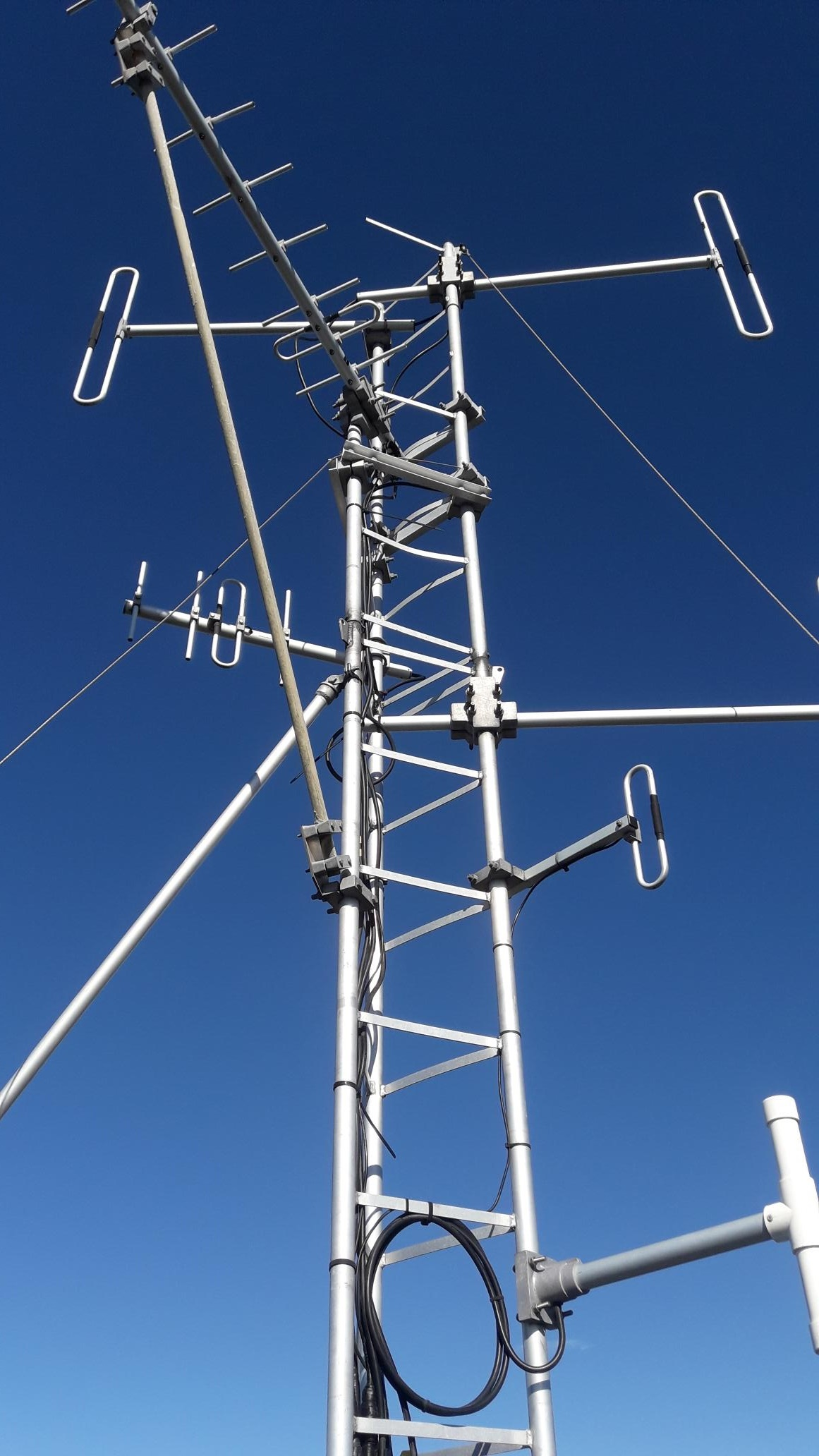
Base station antennas
High up, exposed, and the single biggest influence on your coverage. Inspected for damage and corrosion, and measured rather than assumed to be fine.
 03
03
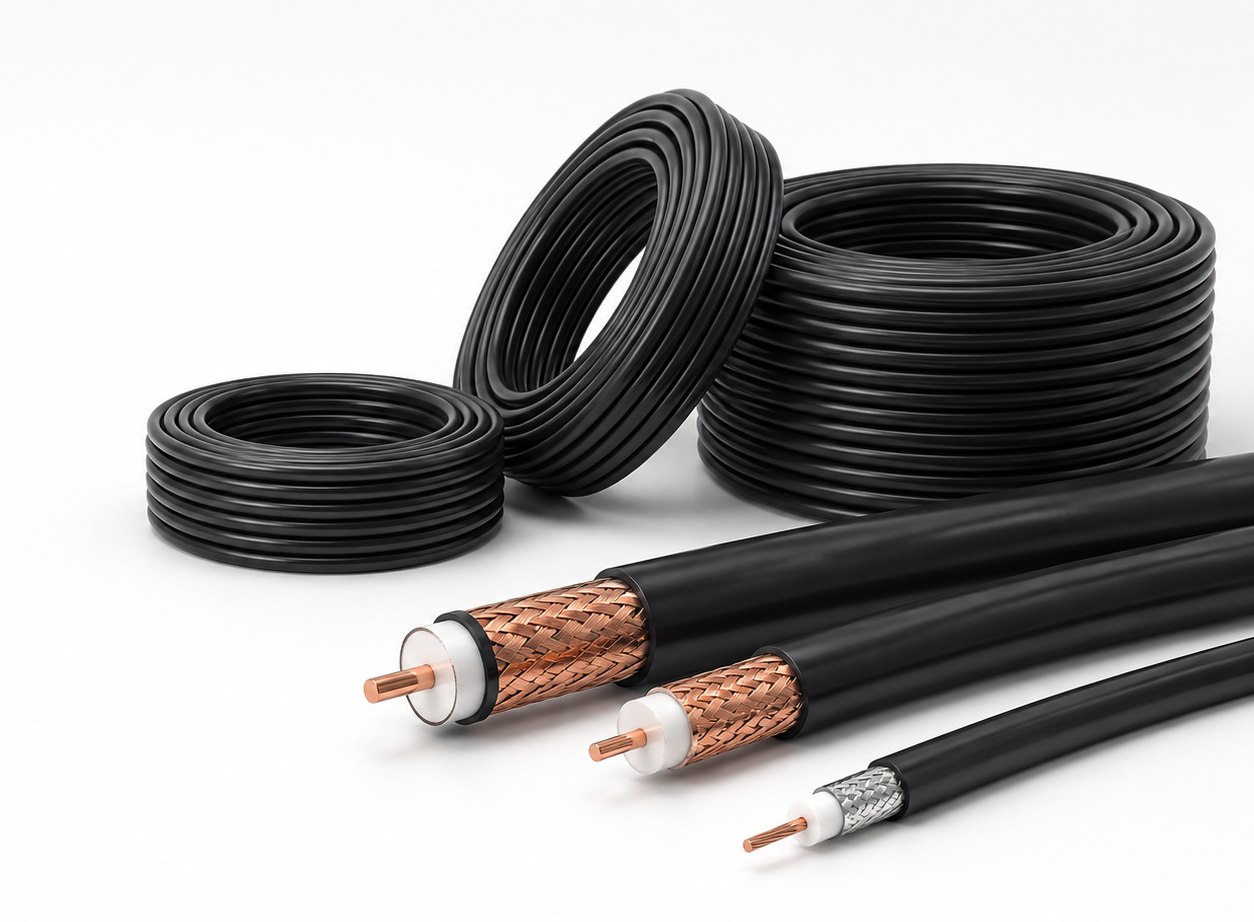
Feeders and connectors
Where most site faults actually live. Water ingress and corroded connectors cost you range long before anything stops working.
 04
04
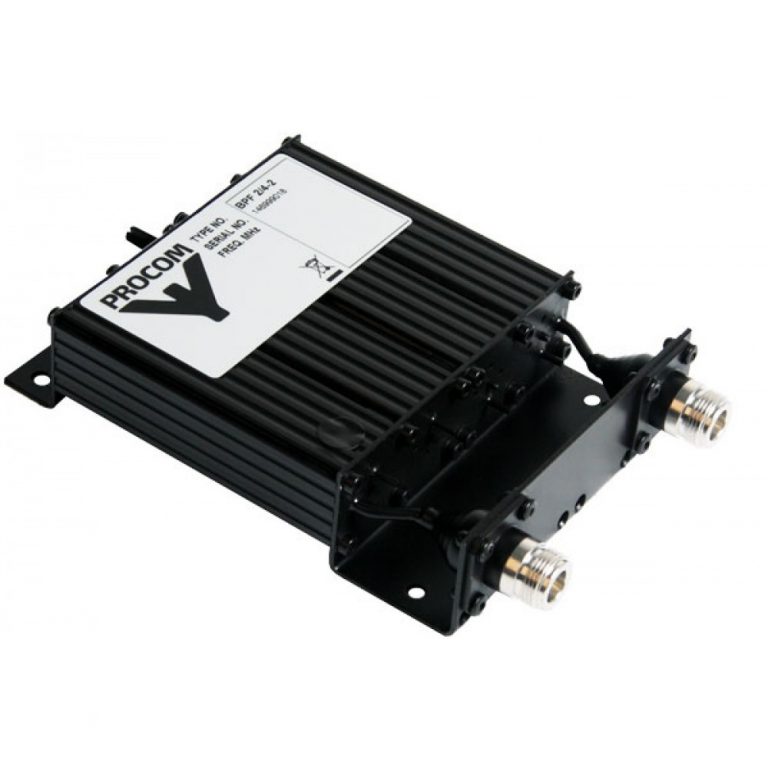
Filters, duplexers and combiners
Tuned components drift. A duplexer off frequency degrades a site steadily and silently, so it gets measured and retuned rather than left alone.
 05
05
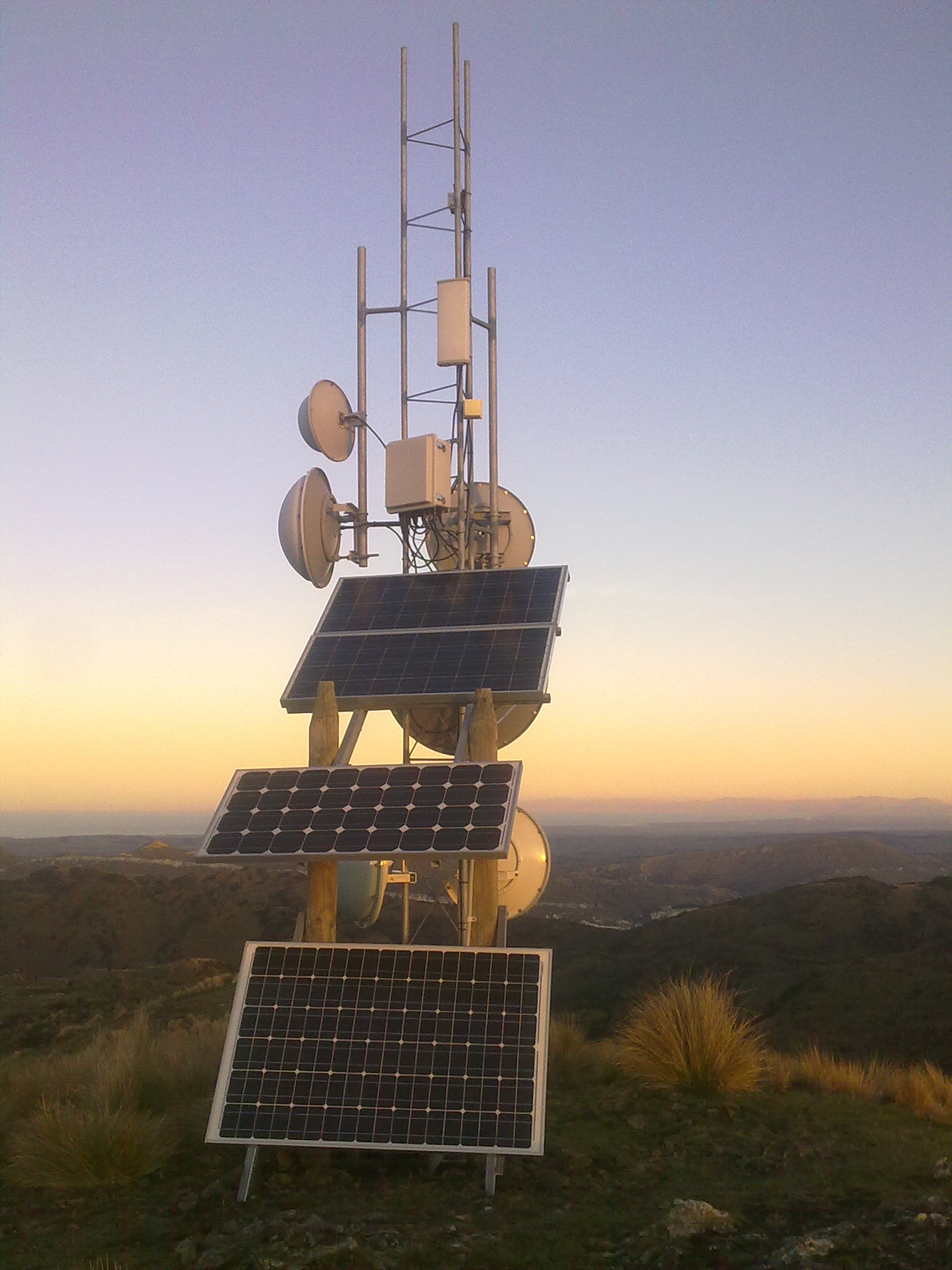
Site power and batteries
Supplies, chargers and backup batteries. Batteries age quietly and the discovery usually happens during the outage they were bought for.
 06
06
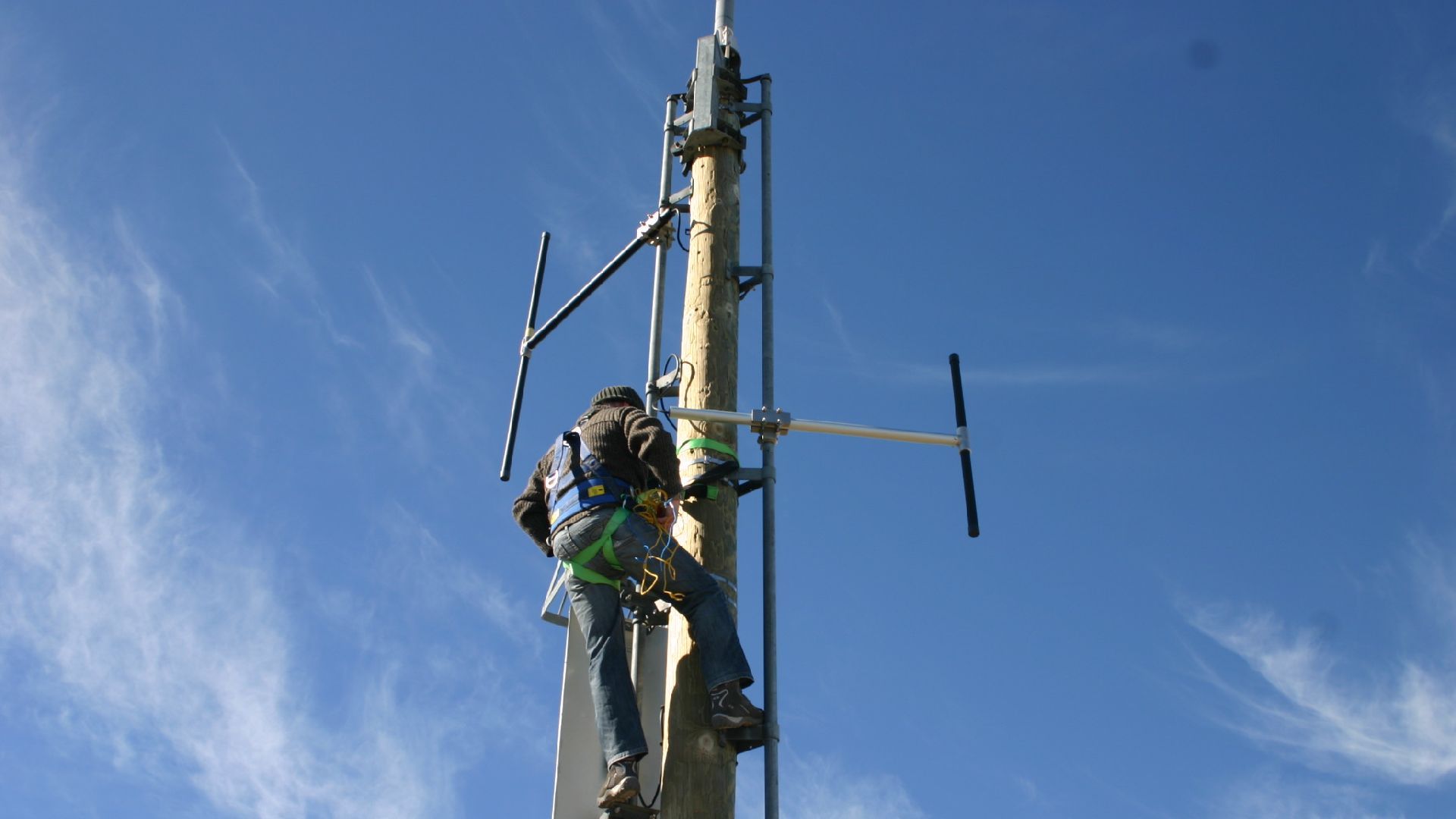
Links and site infrastructure
IP and microwave links between sites, plus the cabinets, earthing, mounts and weatherproofing that keep everything else alive.
On the day
What a service visit actually covers
A maintenance visit that is just a look around the cabinet is not maintenance. These are the things that produce numbers you can compare against last time.
Inspect
Physical condition of the antenna, mounts, feeder runs, cabinet, earthing and weatherproofing. Most failures start as something visible.
Measure
Transmit power, antenna and feeder performance, and receive sensitivity — the readings that tell you whether the site is still doing what it did when it went in.
Tune
Filters and duplexers checked against frequency and brought back where they should be.
Test the power
Supply, charging and backup batteries under load, so the backup is known to work rather than assumed to.
Clean and make good
Connectors, seals and cable entries. The unglamorous work that prevents most of next year's faults.
Report
What was found, what was done, what is trending the wrong way and what should be budgeted for. In writing, so it outlives whoever was on site.
Better together
Scheduled visits catch drift. Monitoring catches events.
They solve different halves of the same problem, which is why most customers who take maintenance seriously end up with both.
A scheduled visit is how you find the slow decline — the corroding connector, the drifting duplexer, the battery that will not make it through another winter. What it cannot do is tell you about something that happens on a Tuesday afternoon three weeks after the technician left.
Live monitoring covers that half. The network tells us when something changes, so a fault is identified as it happens rather than when a crew finally reports that the radios have been quiet.
- Scheduled maintenance finds: corrosion, water ingress, drift, ageing batteries, physical damage — the things that degrade a site slowly.
- Monitoring finds: outages, faults and changes in behaviour, at the moment they happen.
- Together they mean: a technician who arrives already knowing what they are going to, rather than starting with a diagnosis.
- Either on its own works. Monitoring is available as a standalone service whether or not we maintain your network.
Common questions
Before you ask us to quote
Will you maintain a network you did not install?
Yes, and a good share of what we look after came from somewhere else. We survey what is there first, tell you honestly what condition it is in and what it needs, and take it on from that point.
How often should a site be serviced?
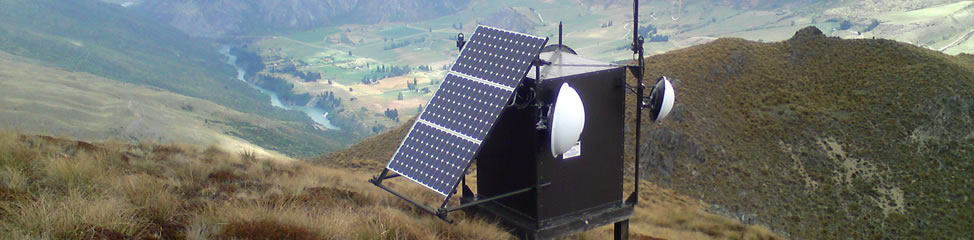
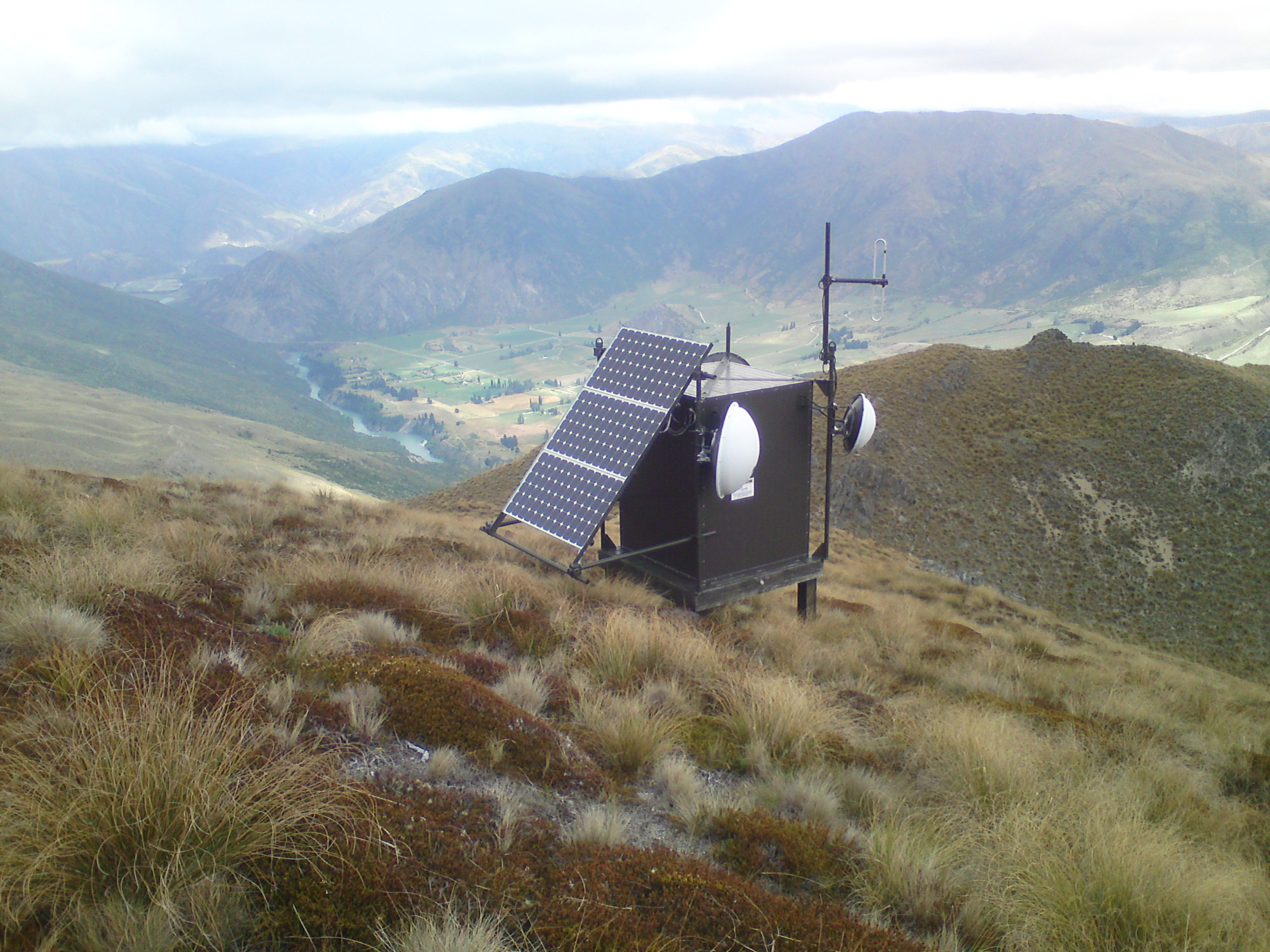
It depends on the site. A repeater in a clean building is a different proposition from one on an exposed hilltop with salt air and a solar supply. We will recommend an interval based on the site, the environment and how much the operation depends on it — not a number picked to fill a contract.
What happens when something breaks between visits?
You call us and we respond. If the network is monitored we often know before you do. Where equipment needs more than an on-site fix, it comes back to our workshop rather than being written off.
Do you handle the licensing too?
Yes. We apply to Radio Spectrum Management, coordinate the frequencies, hold the licence and manage the renewals. We currently hold 312 active licences on behalf of customers, none of whom deal with RSM themselves.
Our sites are remote. Is that a problem?
No. Remote hilltop sites are a normal part of this work and we service them nationwide. Access and weather shape the scheduling rather than whether we will do it.
Do we have to sign an agreement?
No. We will service a site as a one-off if that is what you want. An agreement mostly exists to make the visits happen on a schedule rather than when someone remembers — which, in practice, is the whole point of preventative maintenance.
Also from our service team
Maintenance is one of four
Everything around keeping a radio network working.
Installation →
Vehicle fit-outs and site builds, commissioned and tested before handover.
Monitoring →
Live visibility of your network, so problems surface as they happen.
Equipment repairs →
In-house workshop repairs on most brands, nationwide by courier.
All radio service →
The whole picture — how installation, maintenance, monitoring and repairs fit together.
Get it looked after
Tell us about your sites
Where they are, what is on them and when they were last measured. If the answer to that last one is "not sure", that is usually reason enough to get us out there.
sales@signals.co.nz · Christchurch & Auckland · sites serviced nationwide