
Land Mobile Radio · DMR
Two-way radio where you need it,
we keep you connected
We work with you on the two-way radio coverage you need and help deliver it, monitor it, and maintain it. Over twenty years of it, and 312 active RSM licences held on behalf of New Zealand customers.
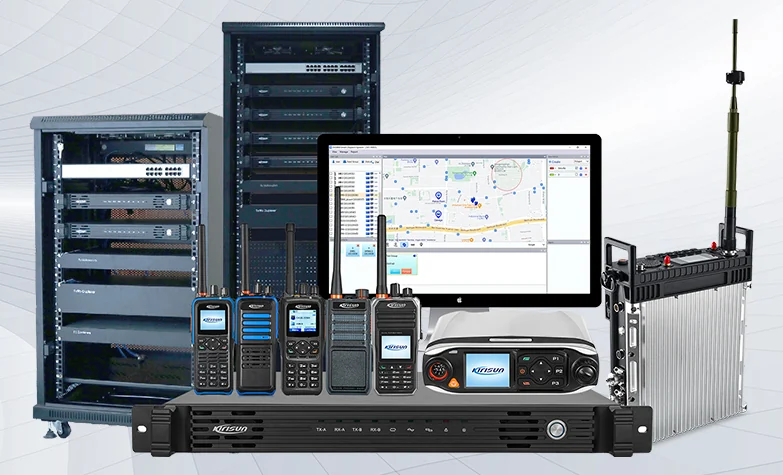
The Kirisun range
Handhelds, in-vehicle mobiles, repeaters, base stations, and the dispatch console that ties them together. We are the exclusive New Zealand distributor, and we repair what we sell in our own workshop.
The case for DMR
Infrastructure you control
A land mobile radio network is yours. The coverage is engineered to your sites rather than inherited from someone else's, and nothing about it depends on a third party staying up.
Digital mobile radio doubles the capacity of a 12.5 kHz licensed channel by putting two voice paths in it, so the same licence carries twice the traffic it did in analogue. It gives you better audio at the edge of range, end-to-end encryption, and text, GPS and telemetry over the same channel.
It also keeps working when everything else stops. Radio to radio in direct mode needs no infrastructure at all, which is why it is still what emergency management organisations specify.
- Coverage engineered, not assumed. We model and test the coverage your sites and routes actually need, rather than hoping a public network reaches them.
- No monthly per-radio cost. You buy the hardware and hold the licence. There is no subscription per user.
- Works with no network at all. Direct radio-to-radio operation carries on through outages, cyclones and cable cuts.
- Twice the channel capacity. Two-slot TDMA puts two voice paths in one 12.5 kHz channel, so your existing licence carries more traffic.
- Encryption as standard. ARC4, DES and AES across the range, end to end.
- Rated for the environment. IP54 to IP68, MIL-STD-810G, and an ATEX/IECEx intrinsically safe handheld for flammable gas and dust.
Spectrum licensing
We handle the compliance and licensing
Radio Spectrum Management licensing is the part that frightens people off DMR, and it shouldn't. We apply, coordinate the frequencies, hold the licence and manage the renewals. You never need to deal with RSM or worry about compliance.
National simplex frequencies
Available immediately. If your teams work on site or within line of sight of each other, you can be on air as soon as the radios are programmed.
Engineered repeater channels
A dedicated repeater channel has to be coordinated against everything else using that spectrum nearby. One to four weeks depending on the complexity of the site and the area.
Held and renewed for you
We hold 312 active licences on behalf of customers and manage every renewal. Nothing lapses because somebody left and the reminder went to their inbox — compliance stays our problem, not yours.
Coverage design
How we work out what you actually need
Anyone can sell you a radio. The work that decides whether the system performs happens before the order is placed, and again after the install.
Understand the use case
Who needs to talk to whom, across what area, and in what conditions. The extent of range you genuinely need is usually smaller than the one you would be quoted.
Site survey
We come and look. Terrain, structures, existing antennas, power, access, and what is already transmitting nearby.
Repeater modelling
Where a repeater is warranted, we model the predicted coverage before anything is bought, so you can see what the money buys and where the edges fall.
On-site testing after install
We commission and test on your site, in the places your people actually work. A prediction is not a result.
Network solutions
Five ways to cover a site
We design and supply practical radio networks for teams that need reliable communication across worksites, remote areas and day-to-day operations. Which one you need depends on how far you have to reach — and it is usually less than you would be quoted.
Signals doesn’t operate its own repeater network, so we have no commercial reason to talk you into infrastructure. We will tell you when a repeater is warranted and when a simplex system will do the job for a fraction of the cost.
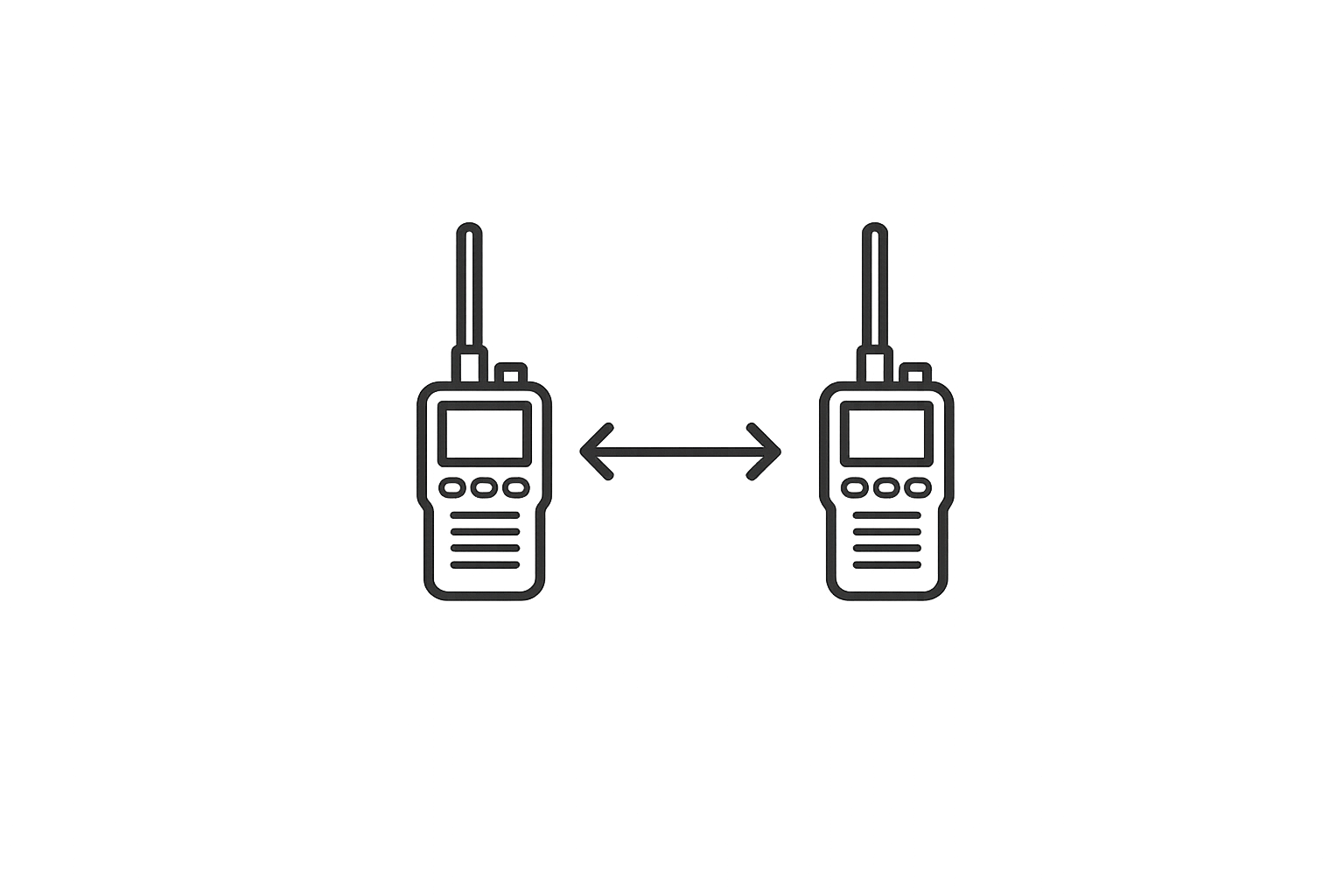
Simplex
Direct radio to radio, no repeaters and no infrastructure at all. Right for small worksites, warehouses, events, farms, retail and security teams — and available immediately on a national frequency.
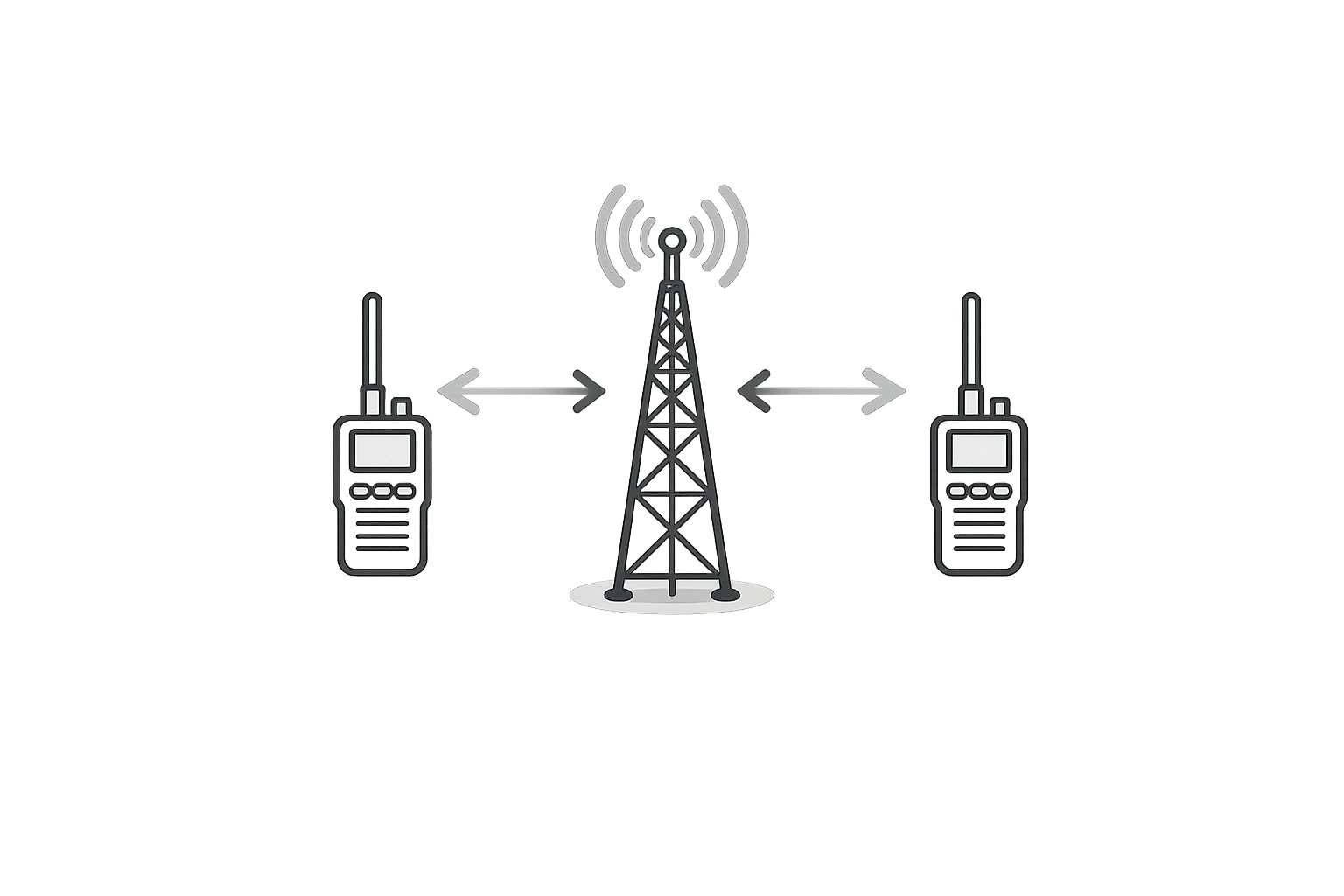
Single-site repeater
Extends coverage across a larger site by receiving and retransmitting. For large warehouses, construction sites, manufacturing plants, farms and campuses, where dead zones are the problem.
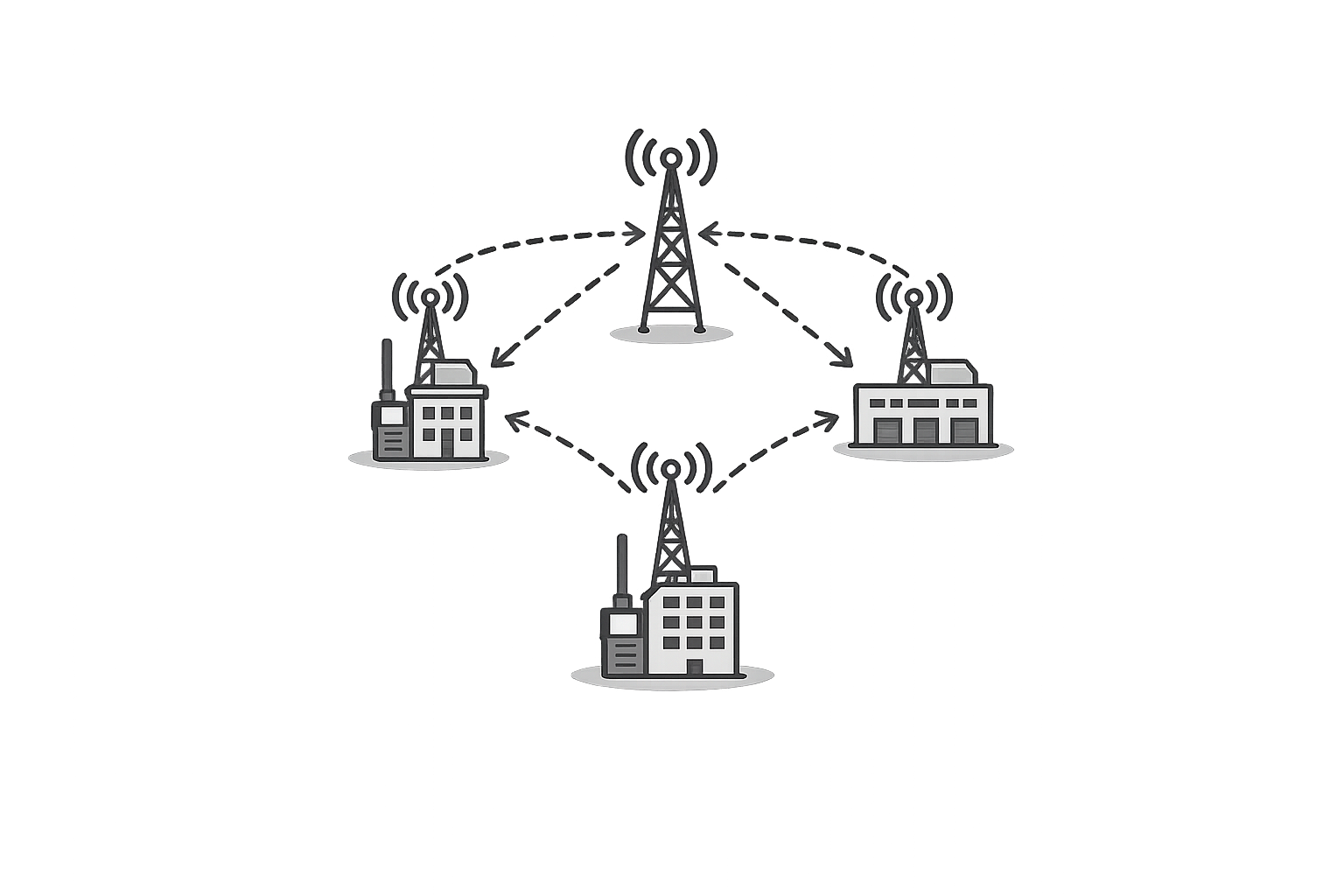
Multi-site repeater network
For organisations working across several locations or a large geographic area. Scalable wide-area coverage designed around your region rather than assembled from whatever fits.
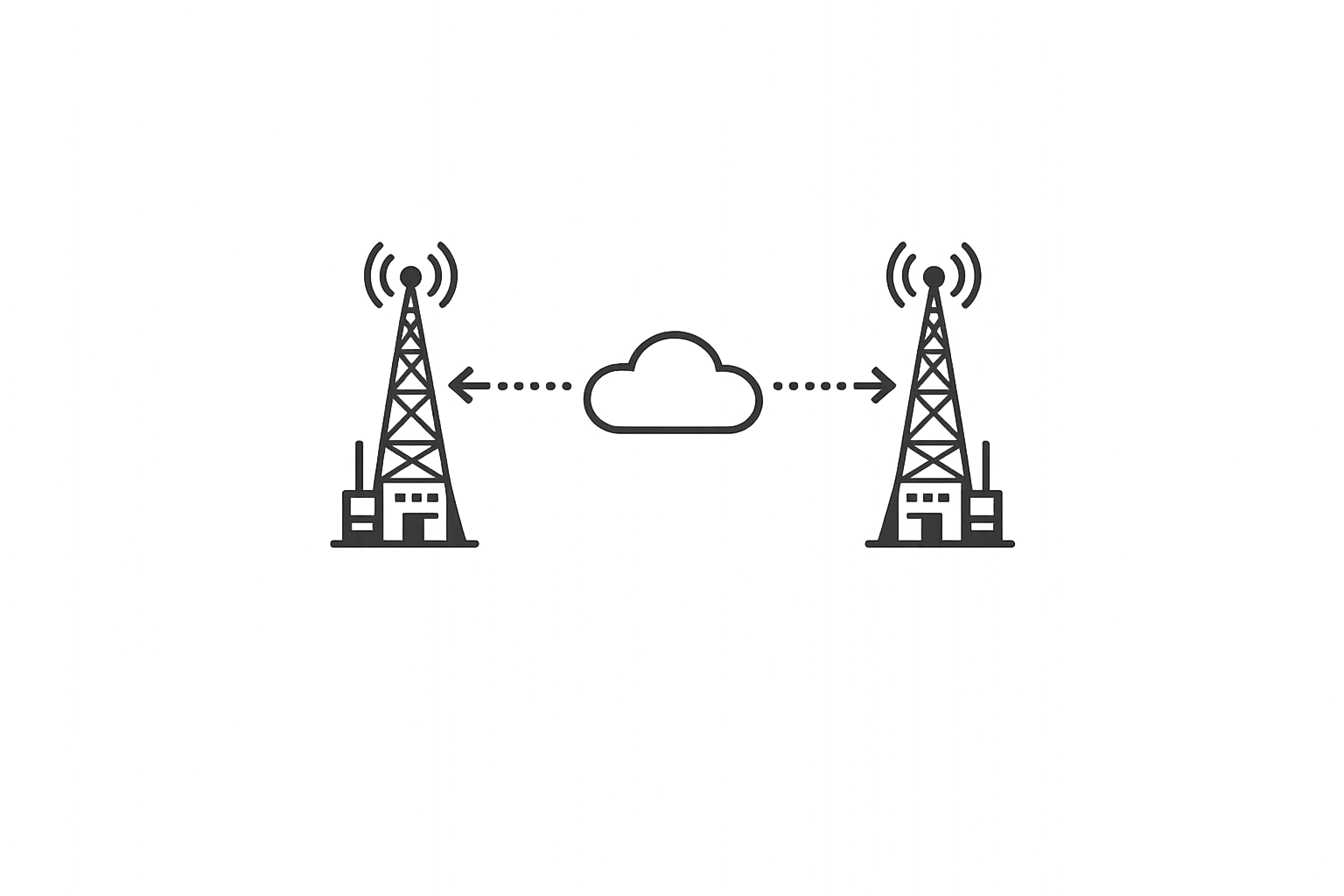
IP-linked systems
Uses network infrastructure to join repeaters and sites over long distances. We handle the whole thing — network design, router configuration and secure connectivity, not just the radios.
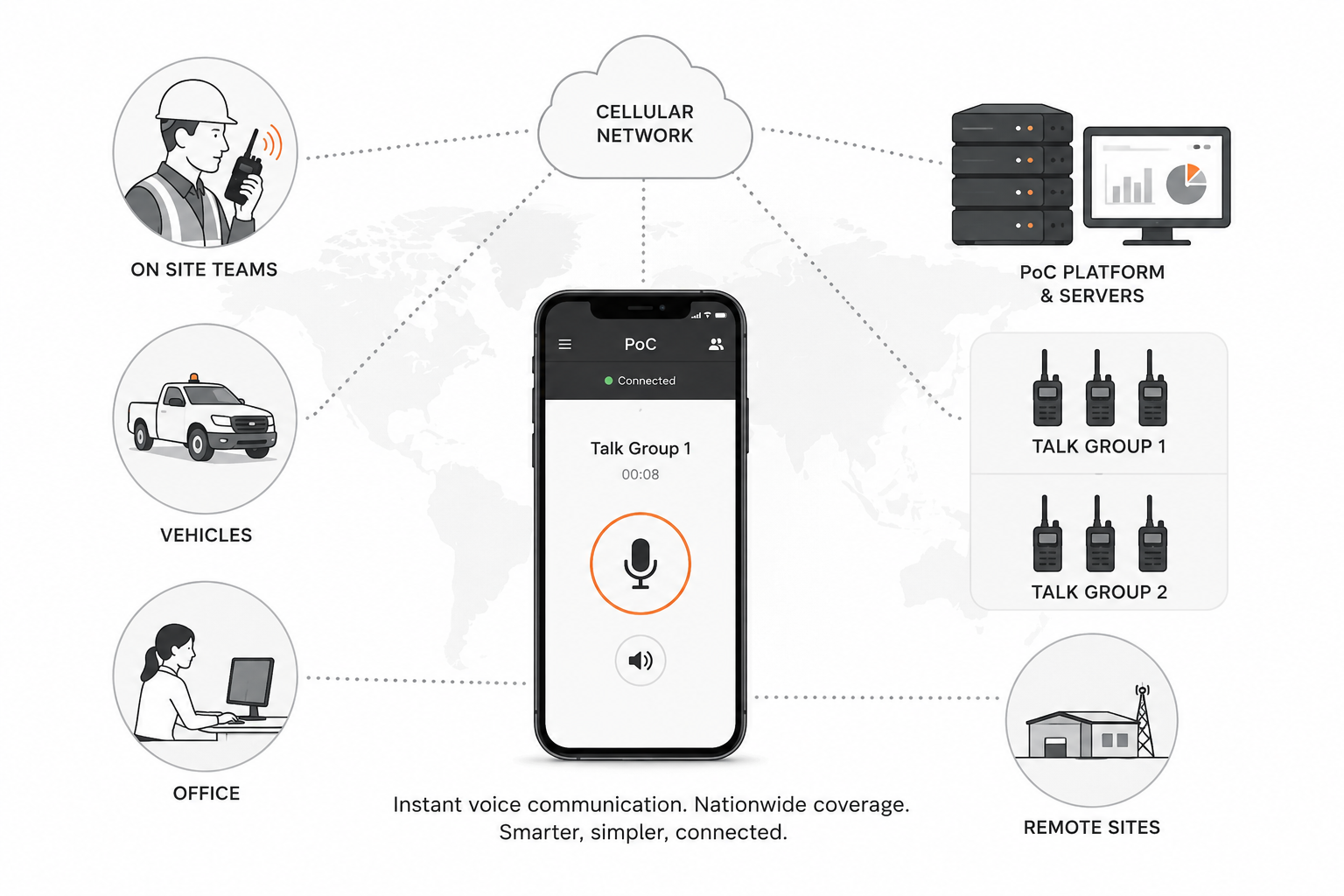
Push-to-talk over cellular
Where your people work inside cellular coverage, PoC gives instant voice over the 4G network with no infrastructure to build at all. It is a different technology with its own trade-offs.
Not sure which one?
We assess your site, coverage requirements, terrain and existing equipment, then recommend the network that fits. That assessment is how every job here starts.
One more option worth knowing about: the Kirisun TM840 works as a single-frequency repeater as well as a 40 W in-vehicle set, which is often enough to extend a site without a fixed installation.
Keeping it running
Live monitoring beats a service visit
We maintain customer networks on periodic and routine schedules. Where we can, we would rather watch the network than wait for the phone call.
Our preferred support method is live monitoring: we see network issues the moment they appear, troubleshoot them remotely, and turn up with the right part instead of diagnosing on site. Most faults are identified before anybody reports being unable to talk.
- Live network monitoring. Faults identified instantly, not at the next scheduled visit.
- Remote troubleshooting. A large share of issues are resolved without a site visit at all.
- Periodic and routine maintenance. Scheduled servicing of repeaters, antennas, feeders and fleets.
- Fleet programming. Channel plans, talkgroups and new radios added to your existing fleet configuration.
Brands
The right radio for you, no forced premium brand presented as the only option
 Value
ValueKirisun
We are the Exclusive New Zealand Distributor. Stock in the country, accessories on the shelf, firmware and platform support direct from the manufacturer, and the best value in the market.
 Proven quality
Icom
The Japanese option, for customers who want that build and that badge and are willing to pay for it. We quote it when it is the right answer, not by default.
 Authorised dealer
Kenwood
A long-established Japanese brand that we hold dealer status for. Worth quoting where a fleet already runs Kenwood or the specification calls for it, and we can service it either way.
 CB radio
GME
For CB and general-purpose work where a licensed system is more than the job requires.
Motorola, Tait
If you run one of these fleets already, or your procurement specifies it, we can supply and service it rather than tell you to start again.
The range
Kirisun DMR at a glance
Seven models, from an entry-level fleet radio to an ATEX/IECEx intrinsically safe handheld. Prices are ex GST. Tier III trunking is a $100 option on the models marked Tier III.
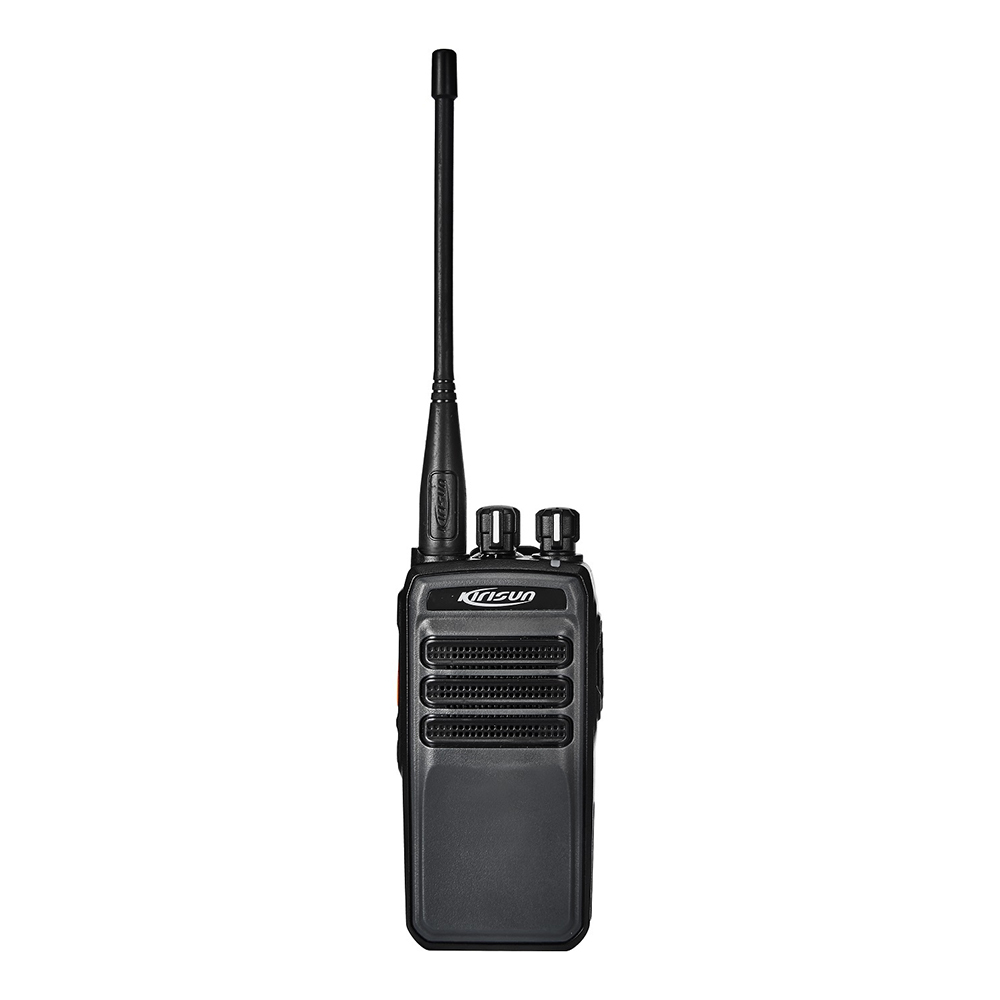 DP405
Entry-level fleet radio
TierTier II
DisplayNone
Runtime18 h digital
SealingIP54
$590.00ex GST
Buy 5, get 1 free
View details →
DP405
Entry-level fleet radio
TierTier II
DisplayNone
Runtime18 h digital
SealingIP54
$590.00ex GST
Buy 5, get 1 free
View details →
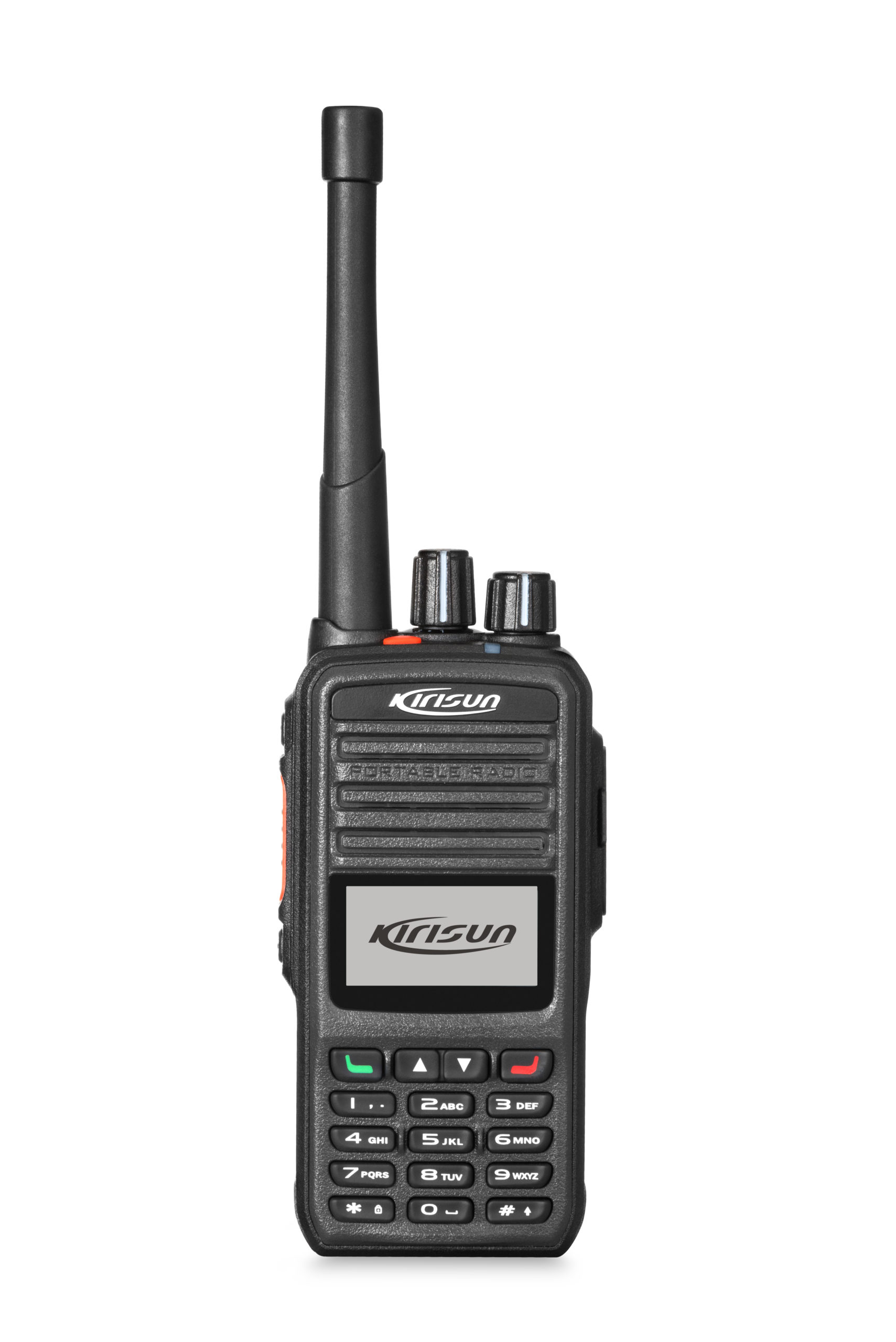 DP480
Keypad, display, GPS and man-down
TierTier II
DisplayDisplay and keypad
Runtime18 h digital
SealingIP54
$740.00ex GST
View details →
DP480
Keypad, display, GPS and man-down
TierTier II
DisplayDisplay and keypad
Runtime18 h digital
SealingIP54
$740.00ex GST
View details →
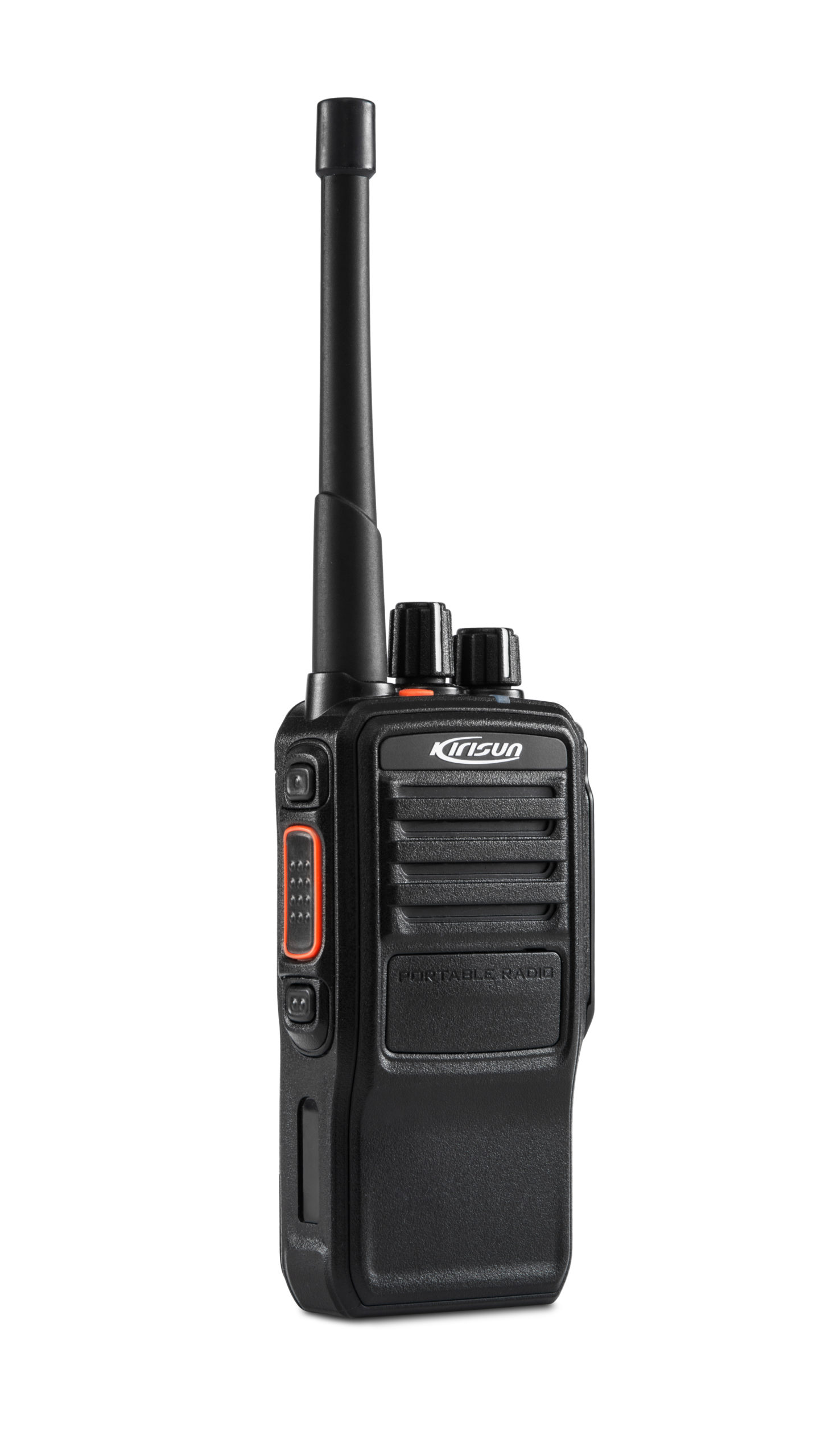 DP585
Tougher body, no screen to break
TierTier II
DisplayNone
Runtime16 h digital
SealingIP66 · MIL-STD-810G
$840.00ex GST
View details →
DP585
Tougher body, no screen to break
TierTier II
DisplayNone
Runtime16 h digital
SealingIP66 · MIL-STD-810G
$840.00ex GST
View details →
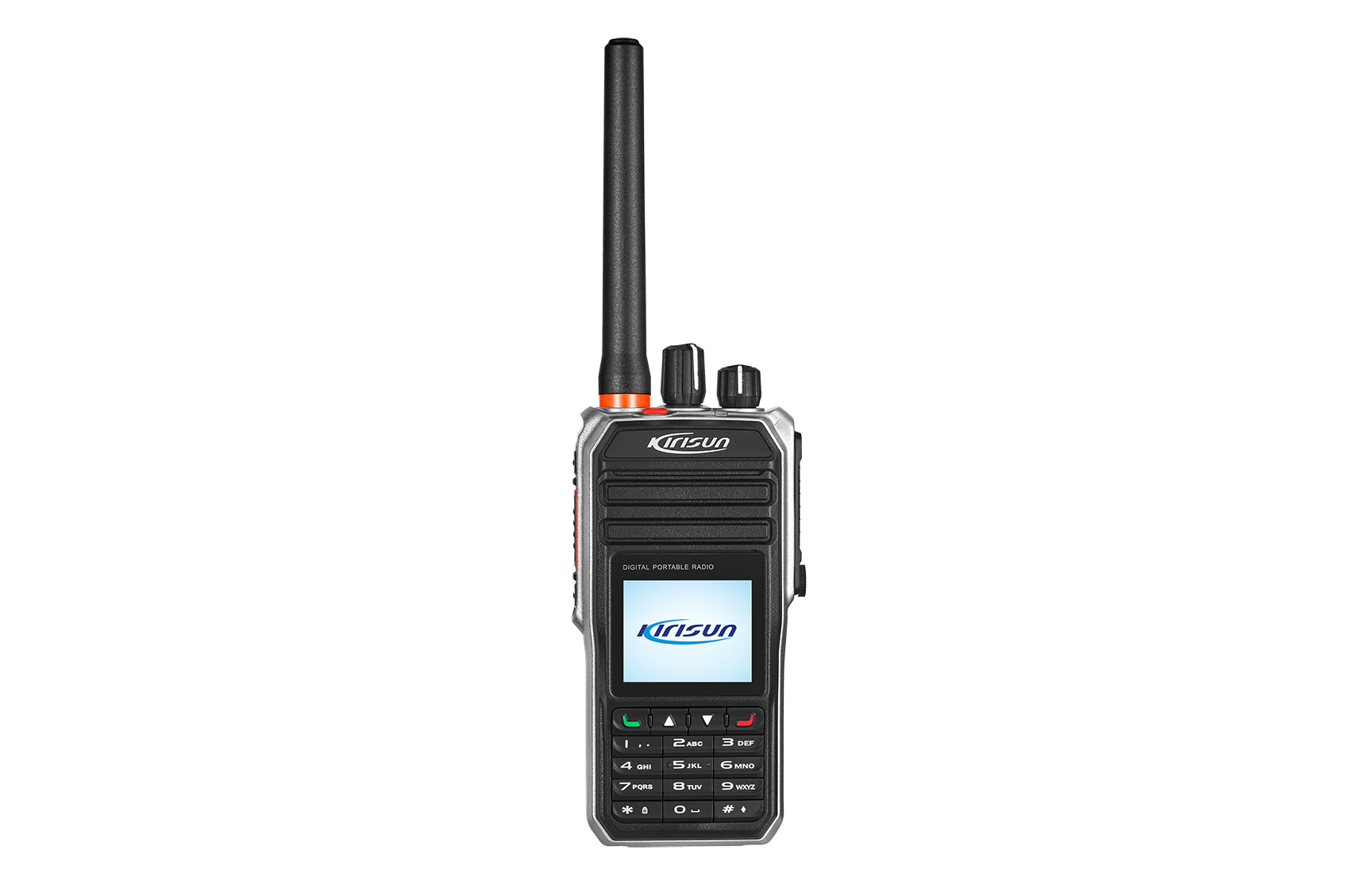 DP680/85
Trunking-capable workhorse
TierTier III
Display1.8″ colour (680)
Runtime15.5 h digital
SealingIP67 · MIL-STD-810G
$1,099.00ex GST
View details →
DP680/85
Trunking-capable workhorse
TierTier III
Display1.8″ colour (680)
Runtime15.5 h digital
SealingIP67 · MIL-STD-810G
$1,099.00ex GST
View details →
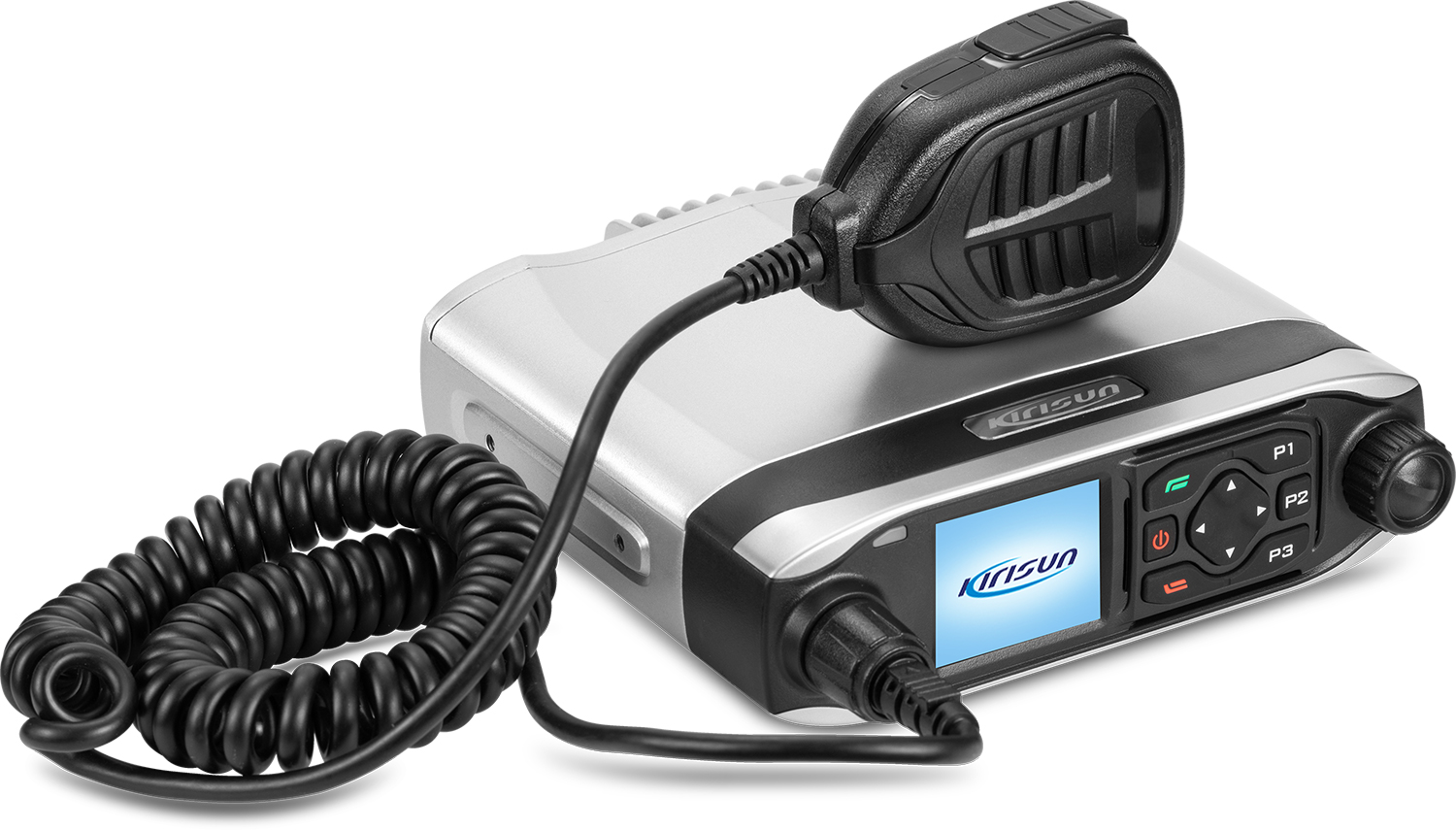 DM588
Compact in-vehicle set
TierTier II
Display1.8″ colour
RF power10–25 W
SealingIP54 · MIL-STD-810C–G
$985.00ex GST
View details →
DM588
Compact in-vehicle set
TierTier II
Display1.8″ colour
RF power10–25 W
SealingIP54 · MIL-STD-810C–G
$985.00ex GST
View details →
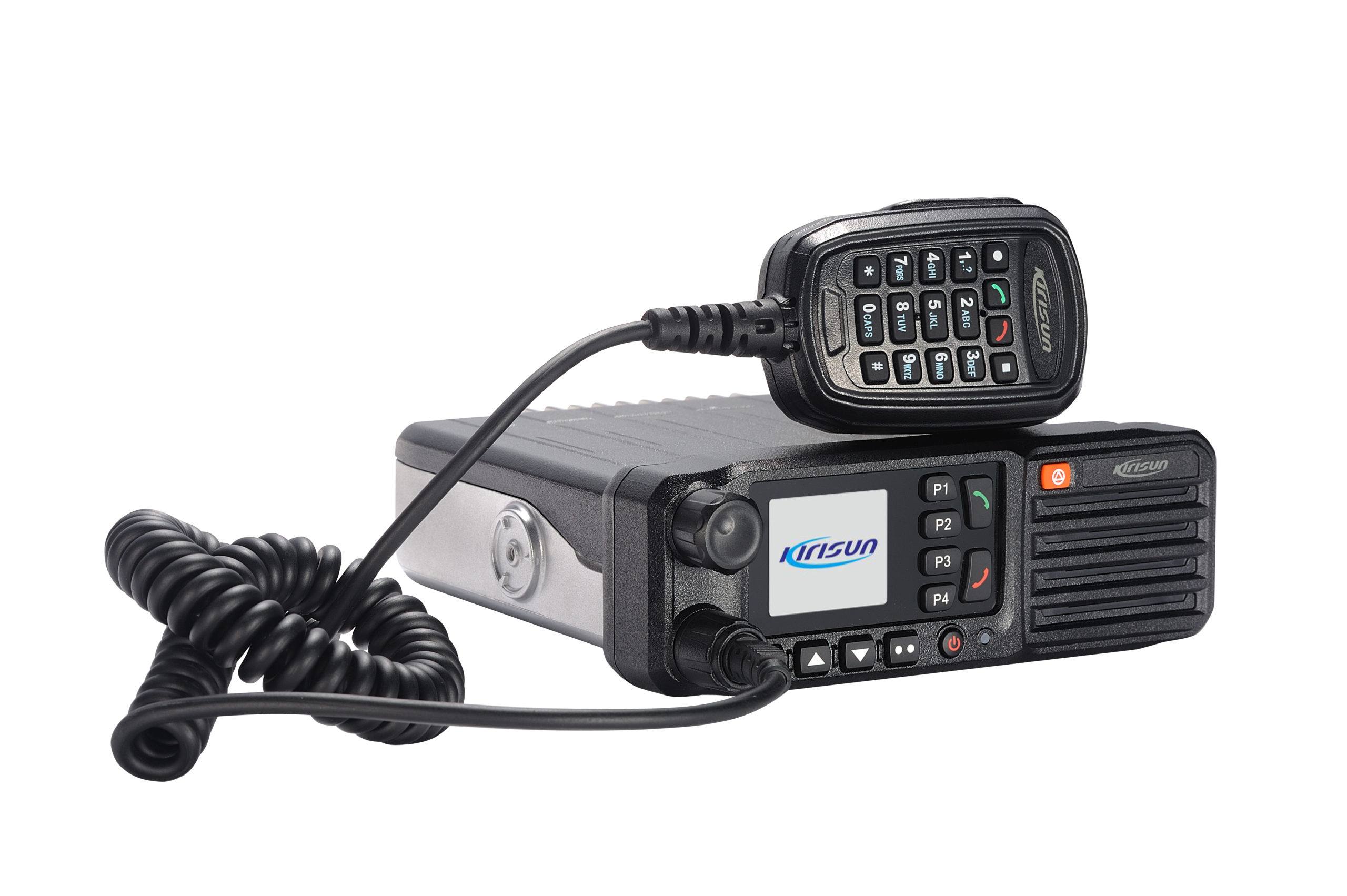 TM840
40 W mobile, doubles as a repeater
TierTier III
Display1.8″ true colour
RF power25 W / 40 W
SealingIP54 · MIL-STD-810C–G
from $1,299.00ex GST
View details →
TM840
40 W mobile, doubles as a repeater
TierTier III
Display1.8″ true colour
RF power25 W / 40 W
SealingIP54 · MIL-STD-810C–G
from $1,299.00ex GST
View details →
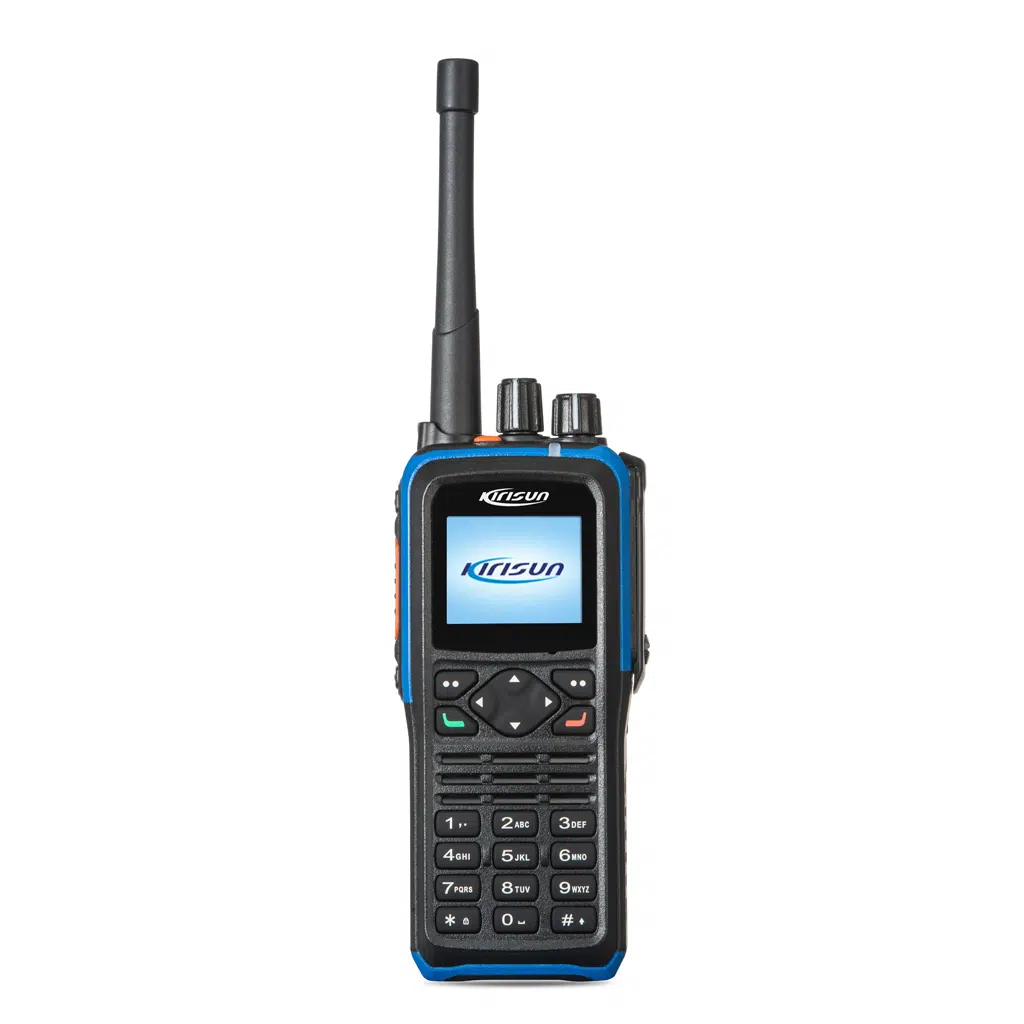 DP810
ATEX / IECEx intrinsically safe
TierTier III
Display1.8″ colour
Runtime19 h digital
SealingIP68 · ATEX / IECEx
$2,199.00ex GST
View details →
DP810
ATEX / IECEx intrinsically safe
TierTier III
Display1.8″ colour
Runtime19 h digital
SealingIP68 · ATEX / IECEx
$2,199.00ex GST
View details →
Model numbers ending in 0 have a display; ending in 5 is the same radio without one. The DP580 and DP585, DP680 and DP685, and DP810 and DP815 are otherwise identical — specify the 5 for crews who only need to press and talk.
Who runs it
Networks we designed, licensed and maintain
Meat processing, emergency management, metals recycling and traffic management — operations where the radio has to work whatever else is happening.


“I’ve had only great experiences working with Elisha and the team at Signals. They are knowledgeable, responsive, and clear in their communication, making the entire process seamless. Highly recommend their services for anyone looking for reliable communications and data solutions in Christchurch!”
Grant HillBlackwells
“Great people to talk to — know their product.”
Kane TurnerKT Services
Next step
Request a system quote
Tell us where your people work and what they need to reach. We will come back with a system, a licence path and a price — not a catalogue.
Start the conversation
The more you can tell us about sites, routes and user numbers, the closer the first quote will be. If you would rather talk it through, call 0800 454 756.
Straight answers
Questions we get asked
Do we need a radio licence, and who deals with it?
Yes, and we do. We apply to Radio Spectrum Management, coordinate the frequencies against everything else using that spectrum near you, hold the licence, and manage the renewals. We currently hold 312 active licences on behalf of customers. You never contact RSM.
How long until we are on air?
National simplex frequencies are available immediately, so a site or crew system can be working as fast as we can programme and ship the radios. An engineered repeater channel takes one to four weeks to coordinate, depending on the site and how busy the spectrum is in that area.
Do we actually need a repeater?
Often not. If your people work within a yard, a building, a site or line of sight of each other, a simplex system does the job with nothing to build and nothing to maintain. We will tell you when a repeater is warranted and when it isn't — we don't run our own network, so we have no reason to push infrastructure at you.
How far will it reach?
That is what coverage design answers, and it depends on terrain, antenna height, power and what is in the way. We survey the site and model the predicted coverage before anything is bought, then test on site after installation. Anyone quoting you a distance in kilometres without seeing your site is guessing.
What happens when something breaks?
Where we monitor a network live, we usually know before you do — the fault shows up on our side, we troubleshoot remotely, and if a visit is needed we arrive with the right part. For networks on periodic maintenance we service repeaters, antennas, feeders and the radio fleet on a schedule.
Can you work with the radios we already have?
Usually. We supply and service Kenwood, Motorola and Tait alongside our own brands, and we can programme existing fleets into a new channel plan. Tell us what you are running before you assume it has to be replaced.
Can we run radios in a hazardous area?
Yes. The Kirisun DP810/815 is ATEX and IECEx certified intrinsically safe for areas containing flammable gas and combustible dust, on top of IP68 and MIL-STD-810G. If your site has a classified zone, that is the radio, and the certification is not optional — talk to us before anyone specifies something cheaper.
Why Kirisun?
We are the Exclusive New Zealand Distributor, which means stock held here, accessories and parts on the shelf, support direct from the manufacturer, and the strongest value in the market. Where a customer wants something else, we supply Icom, Kenwood, Motorola, Tait and GME as well.
Talk to an engineer
Twenty years of other people's sites
We have been designing, licensing and servicing radio networks in New Zealand for over twenty years, and we hold 312 active licences for customers who never think about spectrum. Tell us how your people work and we will tell you what the system needs to be.
Signals NZ · 9 Knight Place, Riccarton, Christchurch · sales@signals.co.nz