
Radio service / Marine installation
Marine installation
Your boat’s comms,
fitted properly
Fixed VHF radios, antennas, AIS, GPS and CommandMics installed in your boat, and VHF base stations set up in your marine office. Fitted by technicians who understand salt water, tight helm stations and what a radio has to do on a bad day.
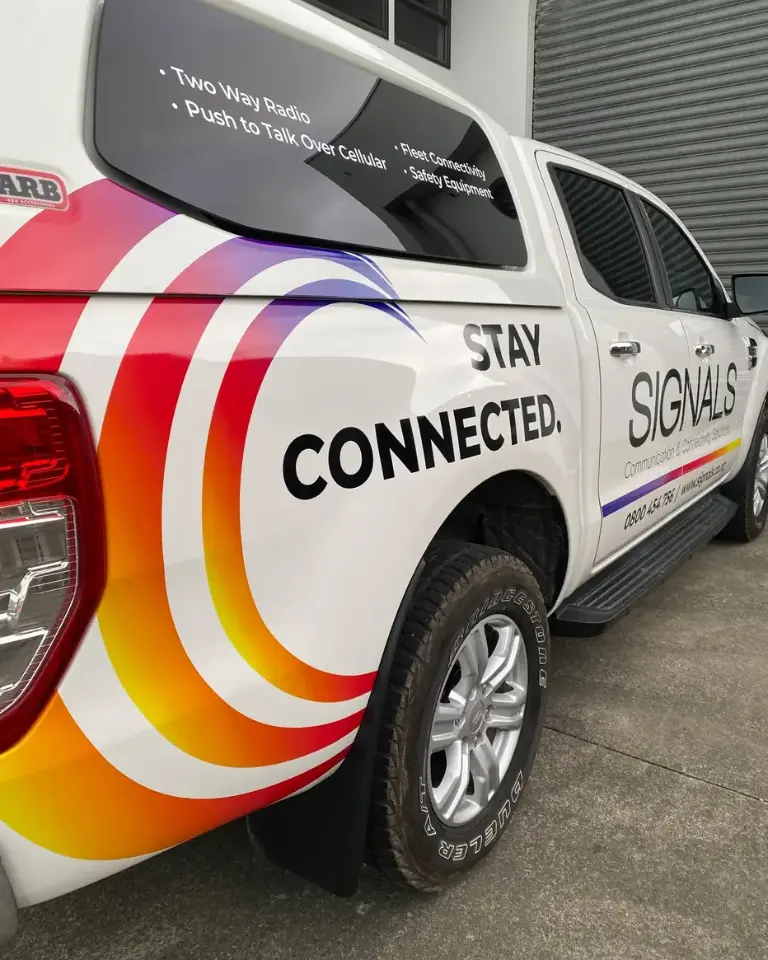
Afloat and ashore
Our own technicians out of Christchurch and Auckland. We come to your boat at Lyttelton or in Auckland, or you can bring a trailer boat to our workshop.
Christchurch & Auckland · 0800 454 756 · sales@signals.co.nz
Why the install matters
A marine radio is only as good as the way it went in
Most of the marine VHF faults we see are not faults in the radio. They are faults in how it was fitted.
An antenna mounted low or behind the cabin and you lose range when you need it most. Coax with water in it. Connectors that were never sealed. Power taken from a cable that sags every time the engine starts, or a DSC radio with no GPS position and no MMSI when the distress button is pressed.
None of that shows up at the dock. It shows up offshore, in weather, when the radio is the one thing that has to work. Getting it right the first time costs less than finding out the hard way.
- Antennas placed for range. Height, clearance and a clean cable run decide how far you can talk, far more than the radio does.
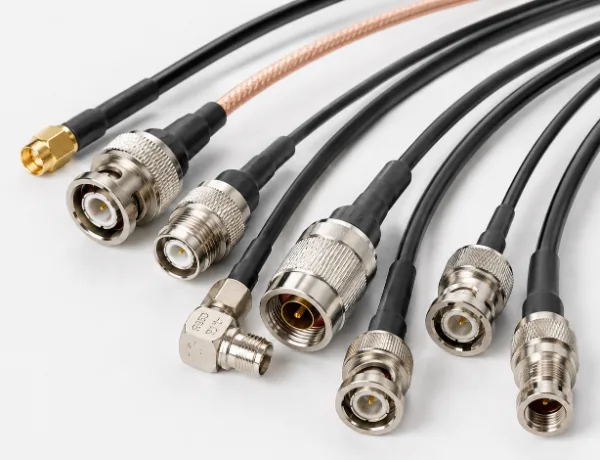
- Connections sealed against salt. Marine-grade connectors, sealed so water cannot work its way into the coax.
- Power taken properly. Correct supply, fusing and earthing from the boat’s 12 or 24 V system.
- DSC set up to work. MMSI entered and GPS position connected, so a distress call tells someone where you are.
- Cables routed and secured. Through the right glands, clear of hatches, heat and moving parts.
- Mounted where it can be used. Reachable from the helm, readable in sunlight and protected from spray.
- Tested before we leave. Programmed, checked on air and handed over working, with you shown how to use it.
What we fit
From the helm to the marine office
Most boats need more than a radio. Doing it together means one booking, one visit and one person responsible if something is not right.
 01
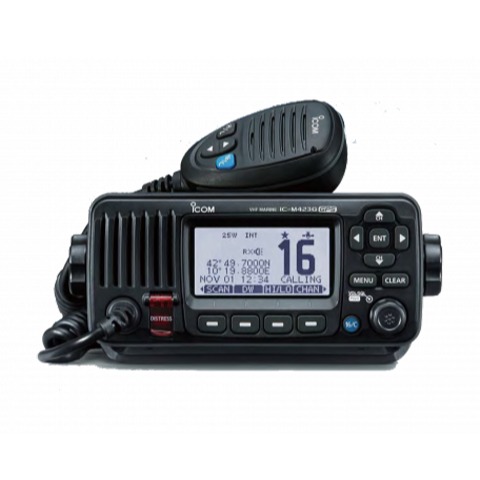
Fixed VHF radios
Fixed-mount DSC radios and black box systems, mounted at the helm, wired to the boat’s power and programmed with your MMSI.
 02
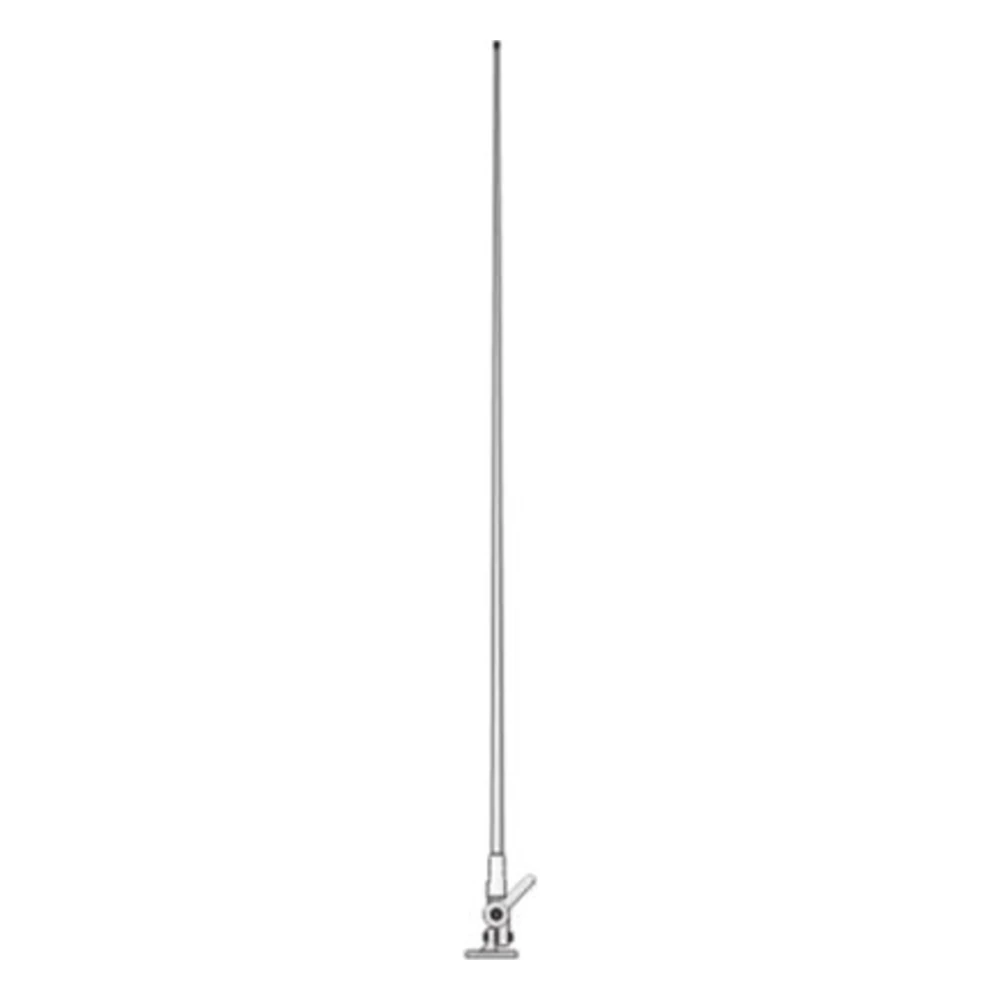
Marine antennas
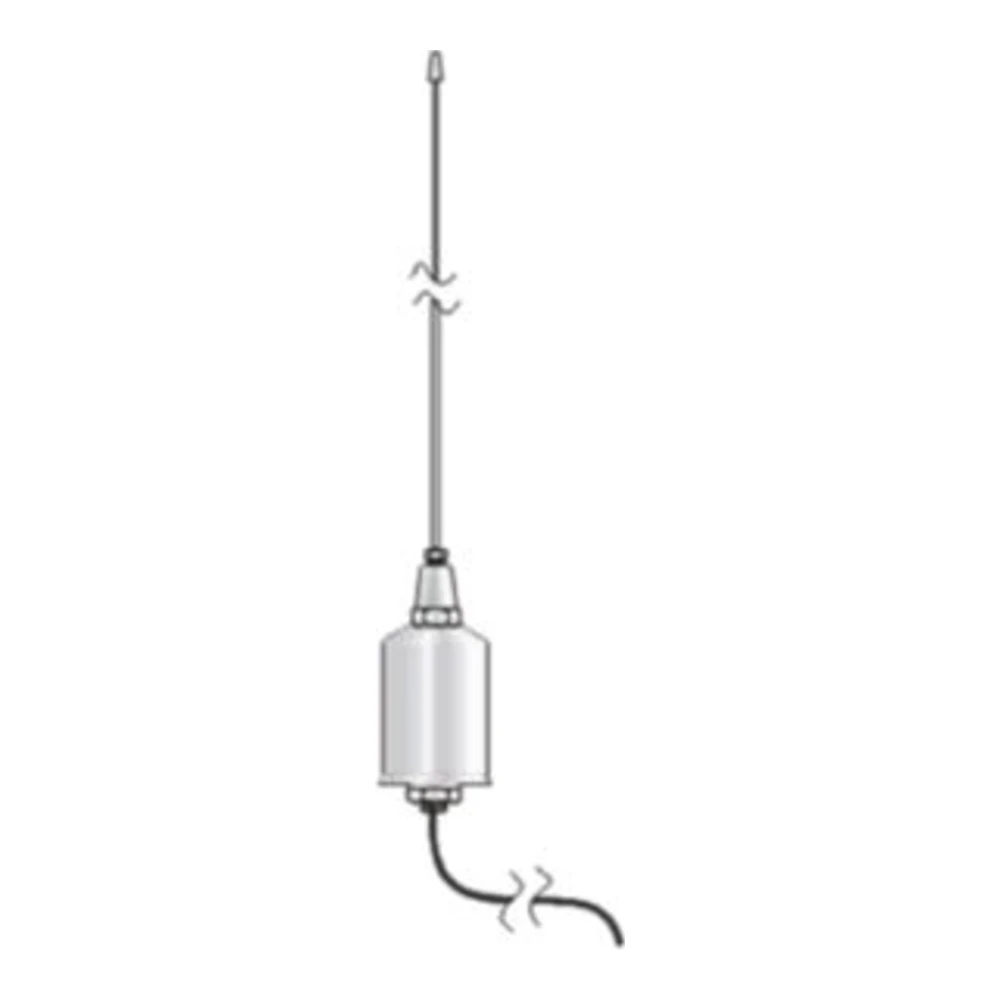
VHF antennas selected and mounted for range, on the right bracket, with sealed connectors and a clean cable run.
 03
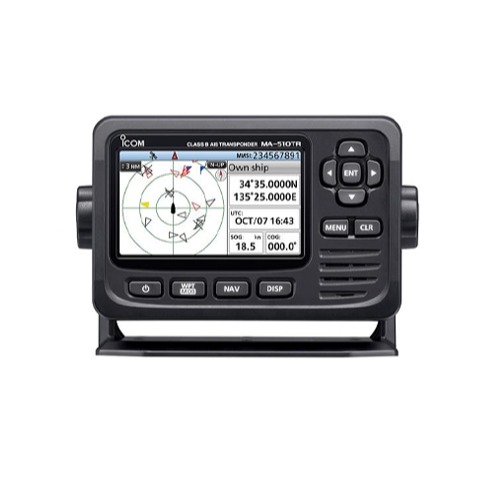
AIS and GPS
AIS transponders, GPS antennas and NMEA 2000 or NMEA 0183 connections to your radio and chartplotter, so DSC calls carry your position and AIS targets show on screen.
 04
Second stations
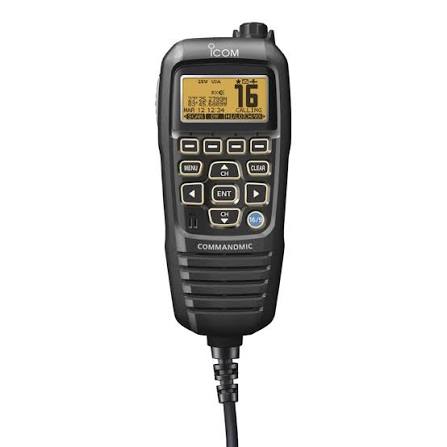
CommandMics on the flybridge, tower or cockpit, plus hailer horns and external speakers, so the radio can be used from wherever you are on board.
 05
Marine office base stations
VHF base stations and antennas for marinas, harbourmasters and charter, fishing and port offices, so you can talk to your vessels from shore.
 06
Power and cabling
The part nobody sees and everything depends on. Correct supply, fusing, earthing and coax runs, done to a standard that survives salt, vibration and the life of the boat.
How it works
From one boat to a whole fleet
The same four steps whether it is a single trailer boat or a fleet of workboats.
Tell us the boat
Type, size, where it is berthed or stored and what needs to go in it. For a marine office, tell us the site and which vessels you need to reach.
We spec it together
Radio, antenna, mounting position, cable route and connections to your plotter, worked out before anyone picks up a tool. You get a quote against that, not a surprise.
Fitted and tested
At your berth in Lyttelton or Auckland, or at our workshop. Programmed, powered, checked on air and handed back working, with you shown how to use it.
Repeatable across the fleet
For workboat and charter fleets, once the first vessel is right, every one after it gets the same build.
Workboats and marine offices
Fleets afloat, and the office ashore
Charter operators, fishing companies, aquaculture and harbour services need every vessel set up the same way, and a shore station that can reach all of them.
We work through a fleet around your schedule, between trips, at your berth or at our workshop. The first vessel becomes the template, and every one after it gets the same equipment, the same mounting positions and the same programming.
Ashore, we set up VHF base stations and antennas in marine offices, so the office, dispatch or the harbourmaster can talk to the fleet on the same channels.
- Scheduled around your operation. Between trips and around your busy season.
- One build, repeated. Same equipment, same positions, same programming on every vessel.
- At your berth or our workshop. Lyttelton, Auckland, or trailer boats brought to us.
- Shore stations. VHF base stations and antennas for marine offices.
- Replacements to match. New and replacement vessels fitted to match the rest of the fleet.
- Records kept. What went into which vessel, so the next person does not have to work it out.
Common questions
Before you book
Do you come to the boat, or do we bring it to you?
Either. We install on boats at their berth in Lyttelton and Auckland, and trailer boats can be brought to our workshop. If your vessel is somewhere else, get in touch and we will talk through the options.
Can you fit equipment we already own?
Yes. We fit equipment we supply and equipment you already have. If an existing radio or antenna is not up to the job, we will tell you before we fit it.
Can you connect the radio to our chartplotter?
Yes. Where the equipment supports it, we connect GPS position, DSC and AIS data over NMEA 2000 or NMEA 0183, so DSC calls carry your position and AIS targets show on your display.
Do you set up DSC and the MMSI?
Yes. We can enter your vessel’s MMSI when we set up a DSC radio, so it is ready to use from day one. Have your MMSI number ready before we start.
How long does an installation take?
It depends on the boat and what is going in. A single fixed VHF and antenna is a much shorter job than a full fit-out with AIS, a second station and plotter connections. We will give you a time with the quote.
Do you install in marine offices as well as boats?
Yes. We install VHF base stations and antennas for marinas, harbourmasters and charter, fishing and port offices, so you can talk to your vessels from shore.
Get it fitted
Tell us about your boat
One boat, a fleet or a marine office, our equipment or yours. Tell us what you have and what needs to go in, and we will spec it and quote it.
sales@signals.co.nz · Christchurch & Auckland · on site nationwide