
Industries / Waste & Recycling
Two-way radio for
waste and recycling
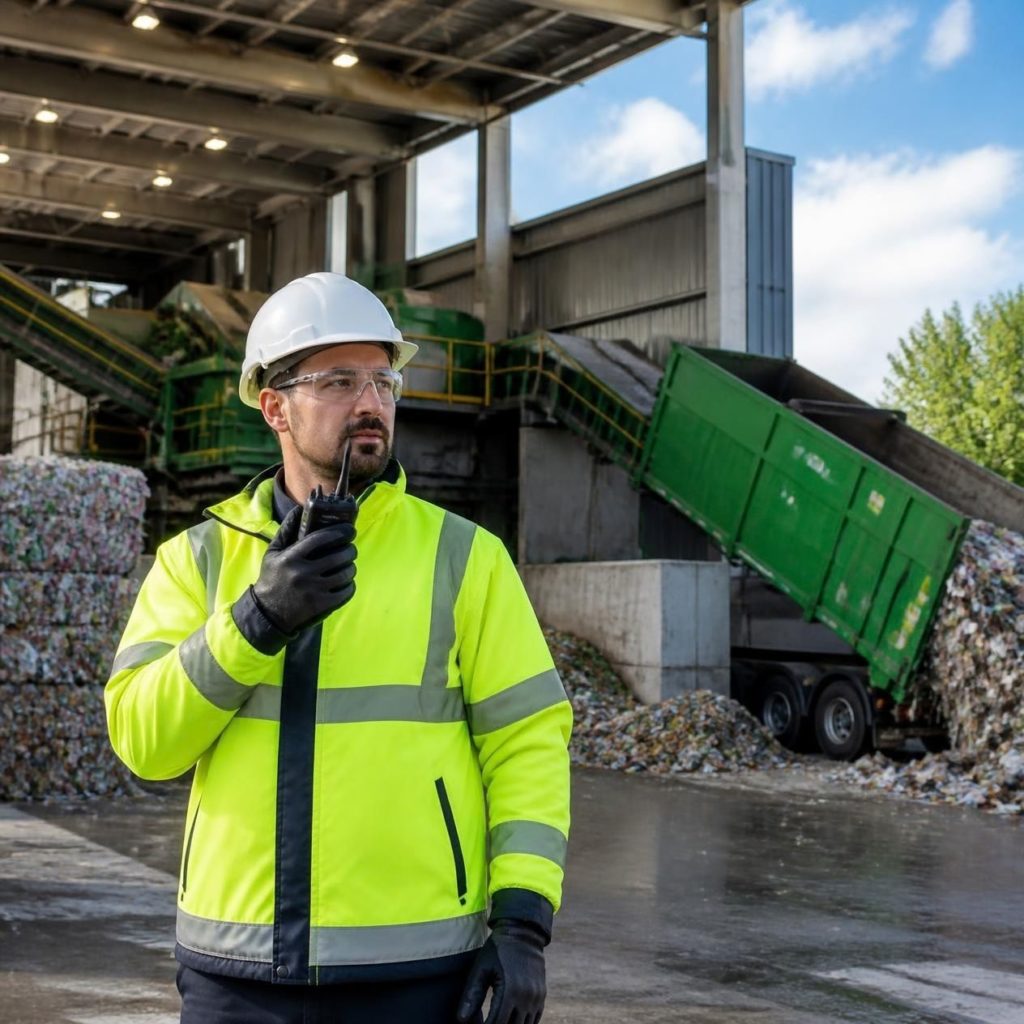
Transfer stations, recycling centres and the collection fleets that feed them. It is loud, dusty and hard on equipment, with trucks from outside companies coming through the gate all day. We set sites up on UHF radio, put collection vehicles on push-to-talk over cellular, and link the two so the yard and the road can talk.
What it is for
Safer yards, and a fleet dispatch can actually run
On site, radio keeps people and heavy machinery apart. On the road, it is how a collection fleet gets its work and gets help.
Site and crew safety
A transfer station mixes your staff, loaders and visiting drivers in one yard. Everyone needs to hear the same instruction at the same time.
- Visiting drivers on your channel, with handhelds handed out at the gate to incoming trucks, including drivers from external companies.
- Site-wide messages and alarms through a loudspeaker linked to the radio channel, so people without a radio still hear them.
- An SOS function on collection vehicles, so a driver in trouble raises dispatch at the press of a button.
- GPS location available to dispatch when something goes wrong on a run.
- Hearing protection with a built-in speaker and an external PTT button, for crews working in constant noise.
Operational efficiency
Collection runs change through the day. The radio system decides how quickly the yard, dispatch and the trucks can respond.
- One dispatch office for the whole fleet, calling one truck, one channel or everyone.
- Coverage across the whole collection area, because PoC runs on the cellular network the trucks already drive through.
- Collection vehicles talking straight to the site, through a PoC gateway onto the site radio channel.
- Service verified from GPS data, so missed-pickup disputes end quickly.
- One connection in the cab with vehicle Wi-Fi running the tablet, the PoC radio and other equipment.
Two solutions
One for the site, one for the fleet, and a gateway between them
Most waste and recycling operators need both. We design each around the way the site and the runs actually work.
Site radio, from the gate to the pit
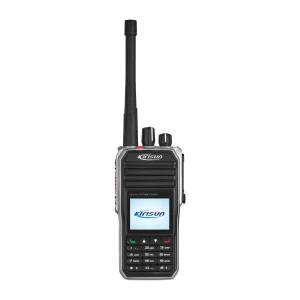
Primarily a UHF solution, on simplex or a repeater, using Kirisun DP405 DMR handhelds, with the Kirisun DP680 as a premium option for harder conditions. Simplex suits most sites; a repeater is the right answer for a larger or more complex site where handhelds cannot reach each other directly.
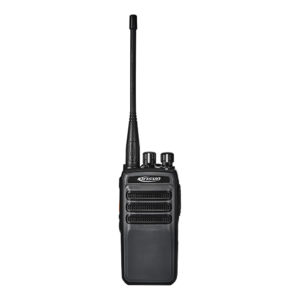
- Simplex or repeater, designed to the size and layout of the site.
- Premium option: Kirisun DP680, with better water, dust and drop protection. IP67 water and dust proof, and MIL-STD 810 rugged, for the dustiest and wettest parts of the yard.
- Handhelds at the gate for incoming delivery trucks, including external companies, so every driver on site can be reached.
- PoC gateways that let internal collection vehicles talk back to the site.
- A loudspeaker channel, with a speaker delivering messages and alarms across the site.
Best forTransfer stations, recycling centres, MRFs and scrap yards with staff, machinery and visiting trucks in one place.
Every truck on one dispatch, across the collection area
Kirisun M50 PoC mobiles in each vehicle, managed from a dispatcher console, for municipal and commercial waste and recycling fleets.
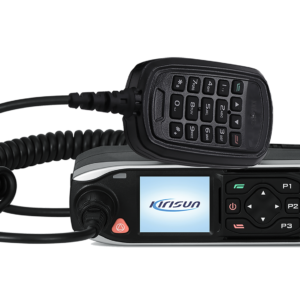 Kirisun M50
4G PoC mobile radio
- PoC mobiles in the cab, with coverage wherever the cellular network reaches.
- A dispatcher console that can see and call every truck.
- SOS function for drivers who get into trouble on a run.
- GPS and telemetry tracking
- Vehicle Wi-Fi running the tablet, the PoC radio and other equipment
Best forMunicipal and commercial collection fleets, from kerbside runs to roll-on/roll-off work.
PoC dispatch
One screen for the whole collection fleet
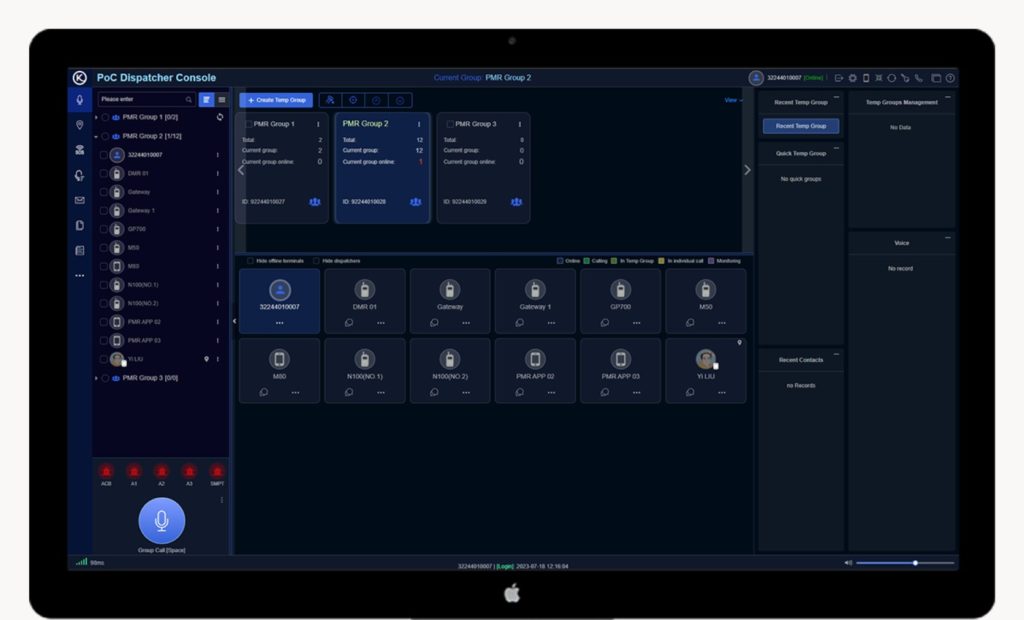
Radios in the trucks give drivers a voice. The Kirisun dispatcher console gives the office oversight: who is on, who is talking, where every truck is, and who has not answered.
It runs on an ordinary computer, in a browser or as an installed desktop client, and connects to the same PoC service the trucks already use. Ten vehicles or several hundred, the view is the same.
Key features for managing a fleet
Talkgroups on screen
Every channel on its own card, showing how many trucks are in it and how many are online, so dispatch watches the whole operation rather than one channel at a time.
Call anyone, any group
Call one driver, one channel or the whole fleet, drop into a conversation, and see who is keying up without asking.
Live location
Every vehicle on one map, so the nearest truck gets the extra pickup and help goes to the right place.
SOS and emergency
An emergency call from a driver lands in front of the dispatcher, rather than competing with normal traffic.
GPS track back
Play back where a truck has been, and when, so a missed-pickup query is settled from the record.
Messages and job tickets
Send an address, a job or a task to a truck or a group and track whether it was picked up. Messages and voice messages are timestamped and kept.
Not every capability suits every licence tier or every device. Tell us what you want dispatch to do and we will confirm exactly what your set-up supports before you commit.
Case studies
Proven on New Zealand waste and recycling operations
A municipal collection fleet in Christchurch, and a metal recycling network running both solutions across five sites nationwide.
Waste Management
Waste Management runs the municipal collection fleet in Christchurch, with a dispatch office coordinating the trucks across the city every day.
What we supplied
Push-to-talk over cellular across 100 vehicles, set up on six channels and run from a dispatch office.
The result
Cost savings, better coverage across the collection area, and better dispatch functions, with SOS and GPS available on every vehicle.
- Operator
- Waste Management, Christchurch
- Fleet
- 100 municipal collection vehicles
- Set-up
- PoC, six channels, dispatch office
- Gains
- Cost savings, coverage, dispatch, SOS and GPS
A national metal recycling network
A metal recycling operator with five sites nationwide, each handling its own staff, machinery and a steady flow of outside trucks.
What we supplied
Simplex or repeater radio on each site, depending on its size. Several sites have PoC gateways, linking Kirisun M50 PoC radios in the vehicles back to the site. Handheld radios are kept at the gate for external vehicles coming on site, and a loudspeaker linked to the radio channel carries site messages.
- Operator
- Metal recycling, five sites nationwide
- On site
- Simplex or repeater, gate handhelds, loudspeaker
- Vehicles
- Kirisun M50 PoC, linked by gateway
What we fit
Everything a site and a collection fleet run on
Six parts, one supplier, and one team to call when something needs attention.
Two-way radio and DMR
UHF site radio on simplex or a repeater, with handhelds for staff and the gate.
Explore LMR radio →Push-to-talk over cellular
PoC mobiles in collection vehicles, and gateways that link them back to the site.
Explore PoC →PoC dispatcher
Every truck on one screen. Call one vehicle, a channel or the whole fleet, and see the SOS when it comes in.
Explore PoC dispatcher →GPS and fleet tracking
GPS and telemetry on the collection fleet, with service verified from the data.
Explore GPS →Vehicle Wi-Fi
One cellular connection in the cab, running the tablet, the PoC radio and other equipment.
Explore vehicle Wi-Fi →Installation and service
Our own technicians survey the site, install the fleet and keep it all running.
Explore service →How it is set up
Designed around the yard and the runs
A transfer station and a collection fleet have different problems. We start with how each one works, then design the radio to suit.
On site, that means walking the yard to decide between simplex and a repeater, working out how gate radios are issued and returned, and where the loudspeaker needs to be heard.
For the fleet, it means channels that match how dispatch is organised, and deciding whether GPS, telemetry or vehicle Wi-Fi go in at the same time.
- Survey the site. Layout, buildings, machinery and how far the radios need to reach.
- Design the coverage. Simplex for most sites, a repeater for larger or more complex ones, and on-site testing after installation.
- Handle the licensing. We apply, coordinate frequencies, hold the licence and manage renewals.
- Link the site and the fleet. PoC gateways onto the site channel, and a loudspeaker for site-wide messages and alarms.
- Fit the fleet. M50 PoC mobiles, dispatcher, SOS, and any GPS or vehicle Wi-Fi, installed by our own technicians.
Common questions
Before you get in touch
Do we need a repeater on site?
Most sites run well on simplex, radio to radio. A repeater is the better answer for a larger or more complex site, where buildings, stockpiles or distance stop handhelds reaching each other directly. We will tell you which after looking at the site.
How do visiting drivers get on our channel?
We set you up with handhelds kept at the gate. Incoming delivery trucks, including drivers from external companies, are given a radio on arrival and hand it back when they leave, so everyone in the yard can be reached.
Can our collection trucks talk to the site?
Yes. A PoC gateway links the PoC radios in your vehicles to the site's UHF channel, so a driver on the road can talk straight to the yard.
What is a loudspeaker channel?
A speaker on site linked to a radio channel. Messages and alarms sent on that channel are heard across the site, including by people who are not carrying a radio.
Can GPS and vehicle Wi-Fi go in at the same time?
Yes. GPS and telemetry tracking, and vehicle Wi-Fi running the tablet, the PoC radio and other equipment, are optional extras we can fit alongside the M50 radios.
Tell us about your site and your fleet
How the yard works, how many trucks are on the road, and who needs to reach them. We will come back with what we would fit, and why.
sales@signals.co.nz · Christchurch & Auckland · on site nationwide